Department Seminars
Explore our collection of memorable moments and achievements captured over the years.
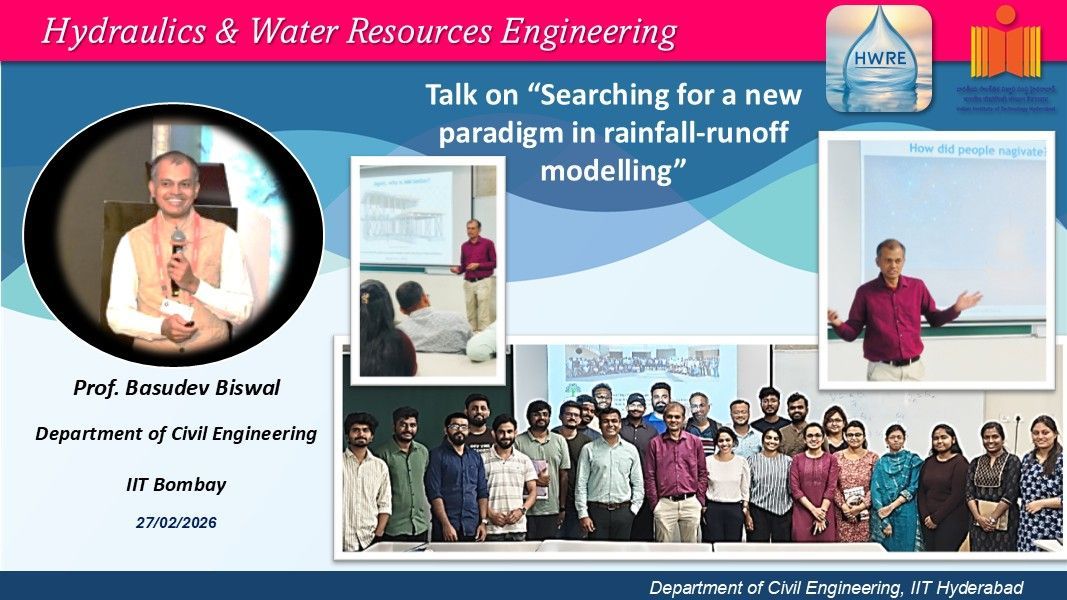
Searching for a new paradigm in rainfall-runoff modelling
Date: Feb 27, 2026 Searching for a new paradigm in rainfall-runoff modelling” by Prof. Basudev Biswal, IIT Bombay.Modern hydrological science can be said to have begun with the rational method for predicting peak discharge. It was Sherman's unit hydrograph concept that rationalized this method by proposing to consider runoff generation and routing as two distinct processes. The Soil Conservation Service (SCS) approach epitomized the unit hydrograph concept by considering soil as the main mediator of rainfall-runoff generation processes. The soil-centric paradigm, however, has left many unaddressed puzzles because of several reasons including parameter interaction. The main objective of this talk is to underscore the need for a new paradigm and argue that adopting a climate-centric viewpoint could advance rainfall-runoff modelling further.
Read More →
Multiphysics Simulation of Flow and Transport Processes in Water Resources Engineering
Date: Feb 25, 2026 About the speaker: Mr. Sharjad A J is currently working as a Senior Applications Engineer at COMSOL Multiphysics with 4+ years of experience in CFD, heat transfer, structural mechanics, and Multiphysics simulations. Previously worked as an Assistant Professor in the Aeronautical Engineering department. Skilled in developing advanced simulation workflows, supporting customers, and creating validated technical models across aerodynamics, turbomachinery, and thermo-fluid systems. Published multiple papers in reputed international journals and conferences, and currently serves as a reviewer for Aerospace Science and Technology (Elsevier).
Read More →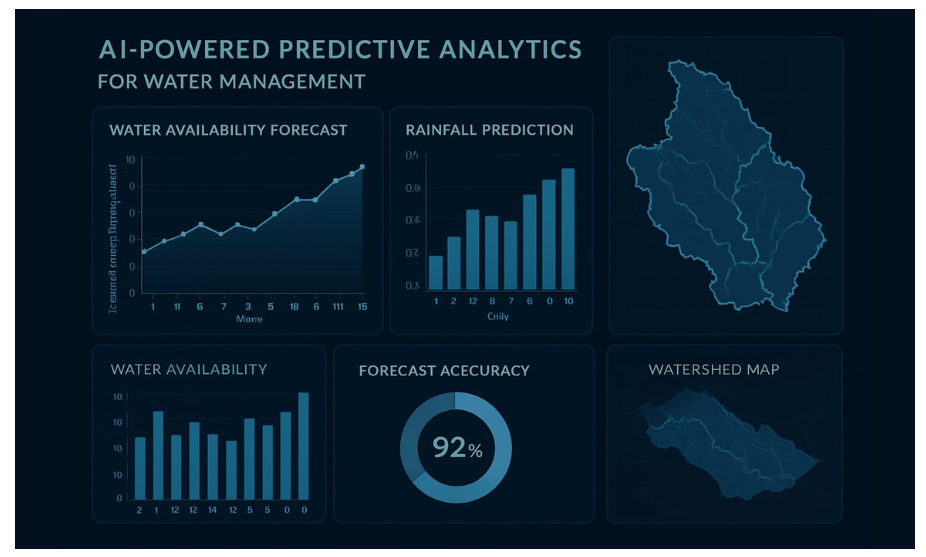
Predictive Analytics through Data-Mining for Water and Environmental Management
Date: Feb 20, 2026 Our research focuses on transforming vast environmental and water resources datasets into "intelligent" systems capable of predicting complex natural phenomena with high accuracy. This datamining research is characterized by the transition from traditional deterministic models to Data- Driven Heuristics. The core pillars of our data mining research include: Intelligent Reservoir Operation: Developing fuzzy-logic, ANN-based (Artificial Neural Network), SVM based data mining models to optimize water release from reservoirs, ensuring irrigation demands are met even during stochastic drought periods. Stochastic Hydrology: Using data mining to identify point and regional drought patterns through historical time-series analysis and Data mining. Contaminant Transport Modelling: Applying neural networks to predict the spread of pollutants in groundwater. Urban System Optimization: Utilizing Genetic Algorithms (GA) and data-driven methods for designing efficient urban air quality and urban water distribution systems.
Read More →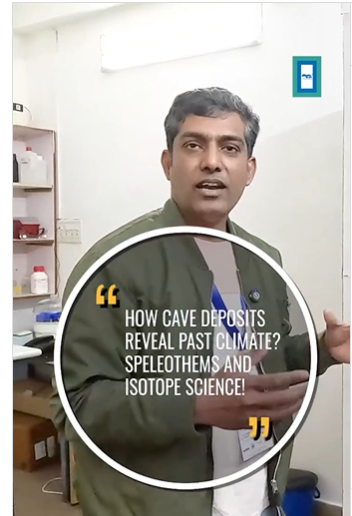
Caves, Civilization & Climate – The Stories Earth Left Behind
Date: Feb 19, 2026 Understanding future hydroclimatic risks requires long-term perspectives on how monsoon systems have varied under different climate states and how societies responded to these changes. This talk presents high-resolution speleothem-based reconstructions of Indian Summer Monsoon variability spanning the last two millennia and the late Holocene, with particular emphasis on extreme wet and dry phases and their forcing mechanisms. Near-annually to multidecadally resolved oxygen isotope records from peninsular India reveal distinct monsoon regimes during the Dark Age Cold Period, Medieval Warm Period, and Little Ice Age, modulated by shifts in the Intertropical Convergence Zone, ENSO variability, volcanic forcing, and North Atlantic influences. Spectral analyses of irregular paleoclimate datasets further highlight coherent monsoon variability across interannual to centennial timescales and demonstrate teleconnections between the Indian monsoon, Pacific, and North Atlantic climate systems. The talk also explores the relationship between hydroclimatic extremes and human societies. Integrated analyses of speleothem records, archaeological settlement patterns, and historical data from South India show how consecutive wet and dry climatic stresses around 2.9-2.8 ka led to settlement abandonment in vulnerable low-lying regions, while simultaneously driving adaptive innovations such as water-harvesting and tank-based irrigation systems in interior regions. These findings underscore how past societies responded to climatic thresholds through migration, technological adaptation, and landscape modification. Finally, ongoing and unpublished work on coastal South India and glacial–interglacial hydroclimate variability will be briefly introduced, highlighting the role of U–Th geochronology and speleothems in bridging paleoclimate science, archaeology, and climate-resilient water management. The talk emphasizes why understanding Earths climatic past is essential for addressing future challenges related to water security and societal sustainability.
Read More →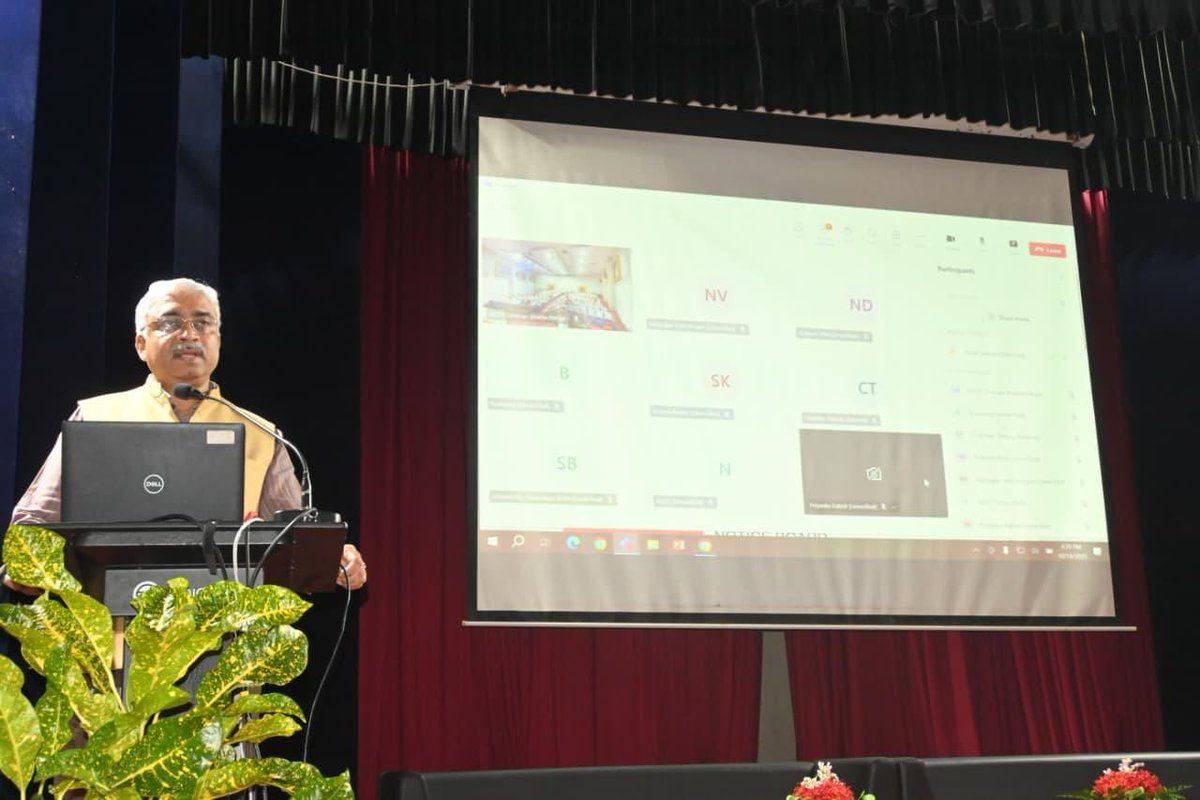
Water sustainability paradox under changing anthropogenic and climate conditions
Date: Jan 30, 2026 An overview of the challenges to water sustainability caused by growing human interventions and changing climate conditions, and the need for integrated solutions.
Read More →
Use of FRP in Civil Infrastructure: History, Current Status, and Where Next” by Mr Ravi Kanitkar, S.E., Principal, KL Structures, USA.
Date: Jan 28, 2026 Speaker Bio Mr. Ravi Kanitkar has over thirty years of professional experience in the design of new structures and the retrofit of existing ones. His work spans a wide range of applications, including seismic retrofitting of buildings and bridges, as well as the rehabilitation of critical infrastructure. His current technical focus is on the use of Fiber Reinforced Polymers (FRP) for strengthening existing structures. Mr. Kanitkar holds an MS in Structural Engineering from Washington State University and is a licensed Professional and Structural Engineer in several states across the United States. He is the co-founder of KL Structures Group, a firm specializing in the repair and strengthening of existing structures. He is a voting member of ACI Committees 440, 440S, and 369S, and currently serves as the Chair of Subcommittee ACI 440-F, which publishes the FRP design guide 440.2.
Read More →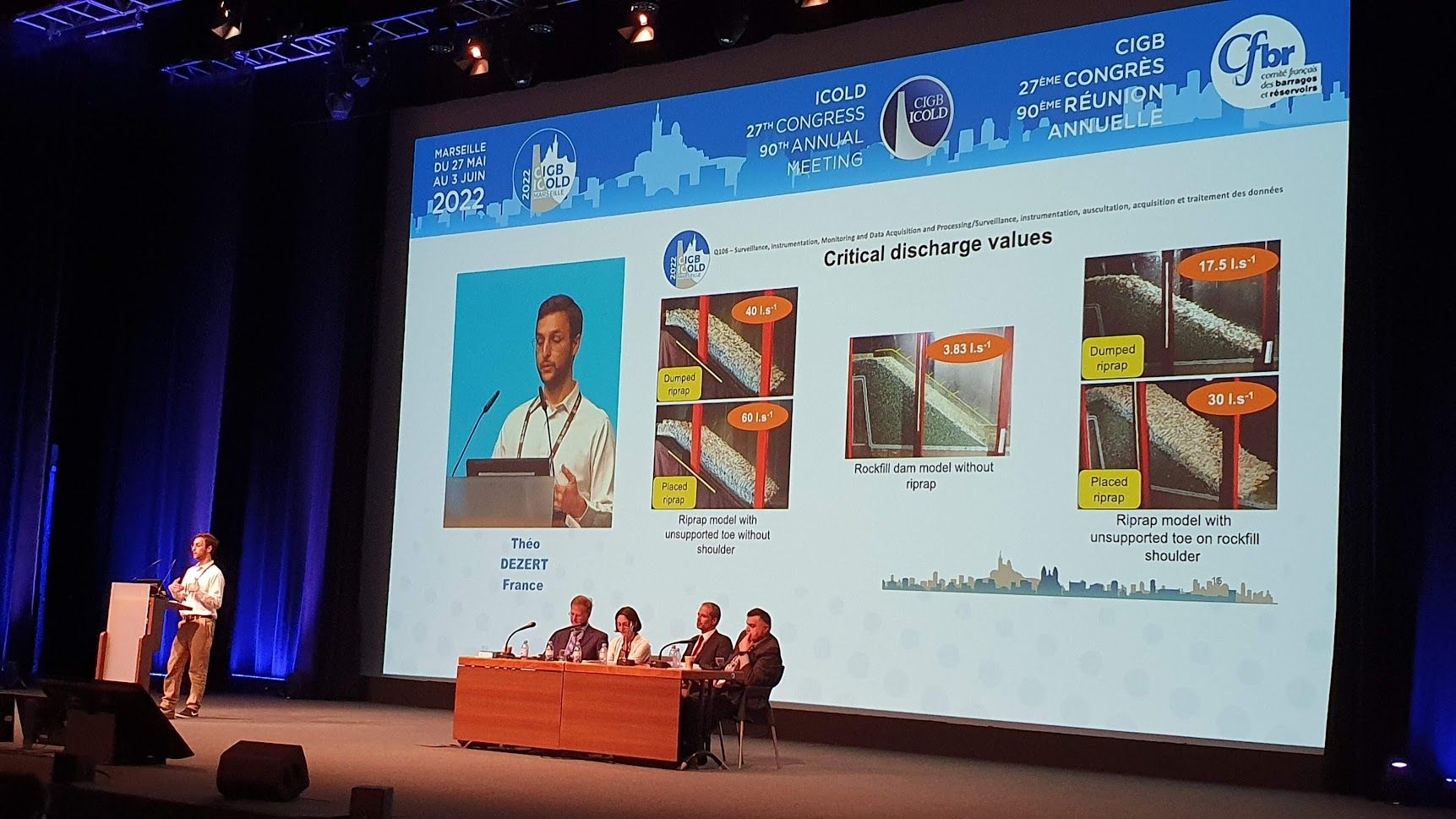
Norwegian perspective on hydropower and recent research on the effects of flow contraction on spillway capacity.
Date: Jan 9, 2026 Hydropower is the backbone of Norwegian electricity generation and has historically been one of the root causes of industrialization and the creation of the welfare system. This talk will outline the hydropower development of Norway and present the current trends and potential future developments. Increasing flood magnitudes and frequencies due to climate change place greater demands on dam safety and spillway capacity. In run-of-river systems, spillway capacity can be reduced by flow contraction and associated hydraulic losses. Experimental studies at NTNU show that contraction losses for ogee spillways can exceed values assumed in common design guidelines, indicating that a precautionary measure needs to be taken over the existing design practices. The results also indicate that the design capacity of the spillway can be restored through some minor mitigation measures and design alterations.
Read More →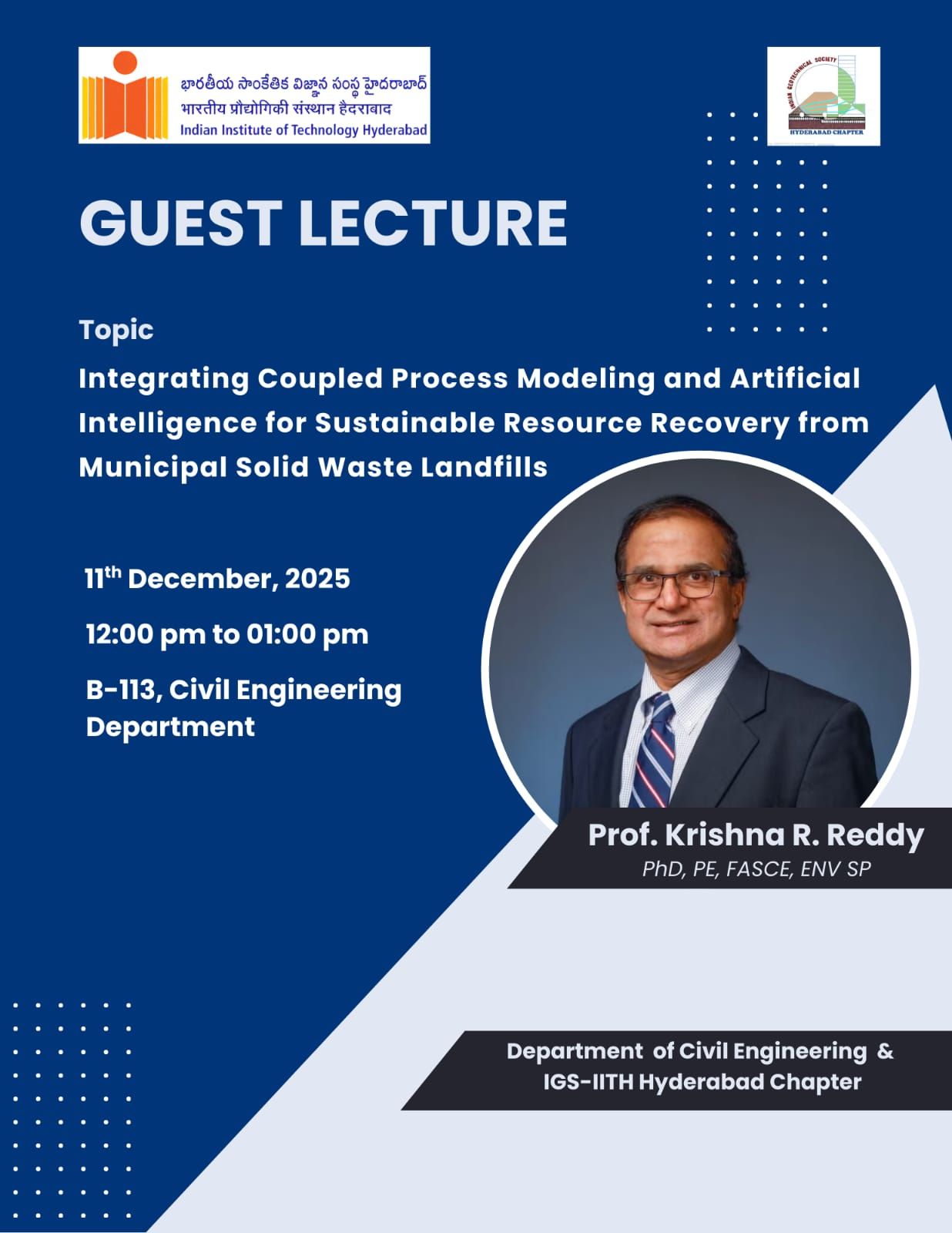
“Integrating Coupled Process Modeling and Artificial Intelligence or Sustainable Resource Recovery from Municipal Solid Waste”
Date: Dec 11, 2025 The Department of Civil Engg. in association with IGS Hyderabad Student Chapter invites you for the talk titled “Integrating Coupled Process Modeling and Artificial Intelligence or Sustainable Resource Recovery from Municipal Solid Waste” by Prof Krishna Reddy on 11.12.2025.
Read More →
Implementation of emerging transportation technologies in Florida.
Date: Dec 8, 2025 This presentation highlights the recently implemented and ongoing emerging technology projects in the state of Florida in the US. The presentation will detail the partnerships between research centers and departments of transportation, the lessons learned and the key takeaways.
Read More →