Geotechnical Engineering
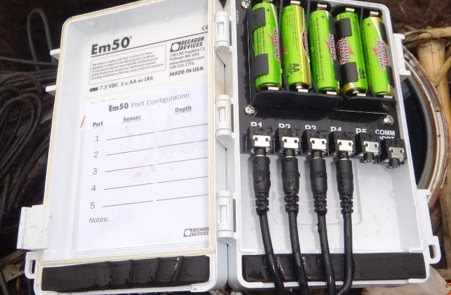
EM-50 Data Logger
EM-50 Data Loggers are used to measure volumetric water content, temperature and electrical conductivity in soil. The matrix potential sensors are plugged into the 5 channels of the EM 50 data logger and these channels are housed in a weatherproof enclosure with an O-ring seal.
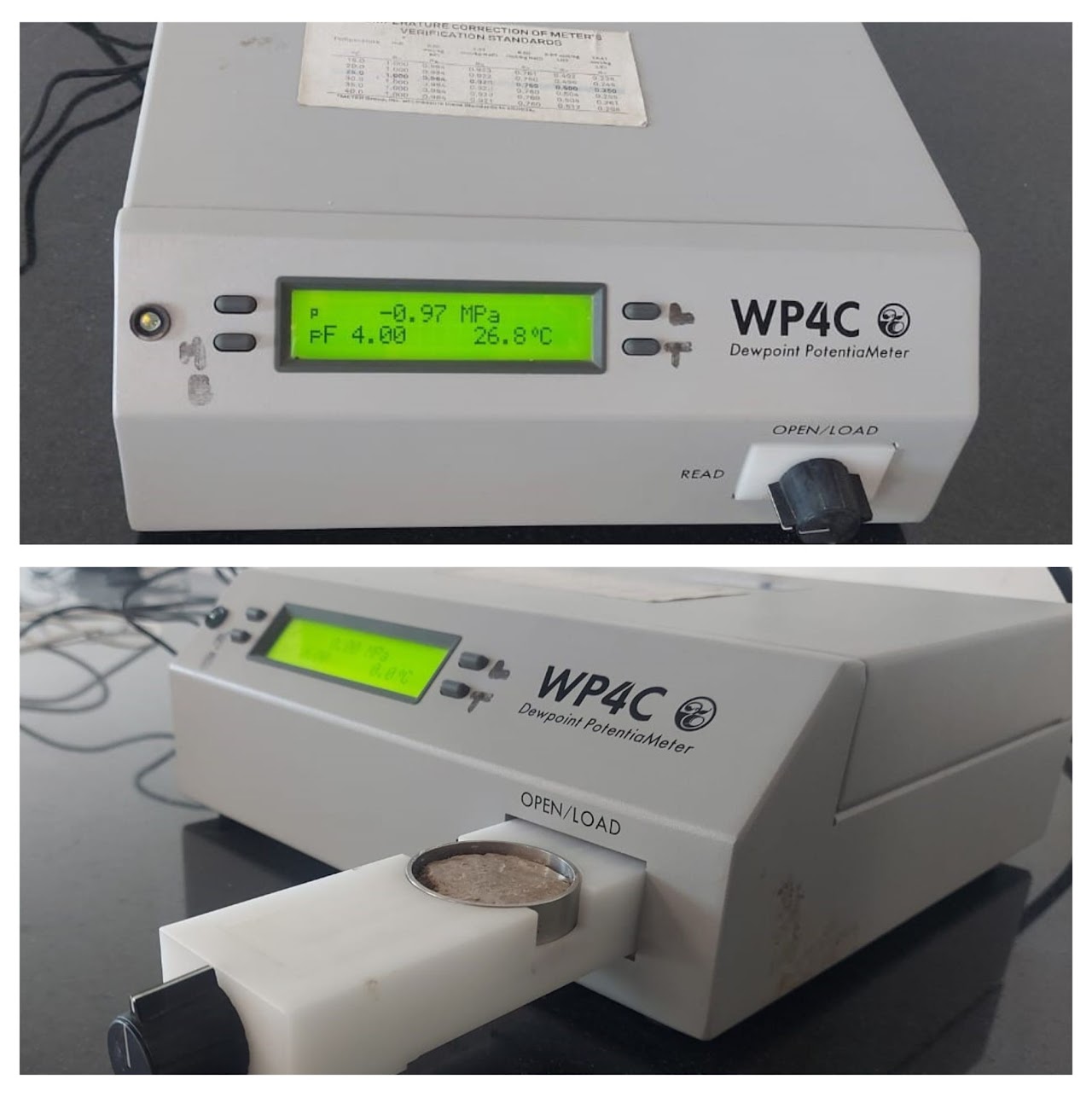
Dew point potentiometer
Dewpoint Potentiometer is considered as a fast, accurate, and reliable instrument available for measuring water potential.
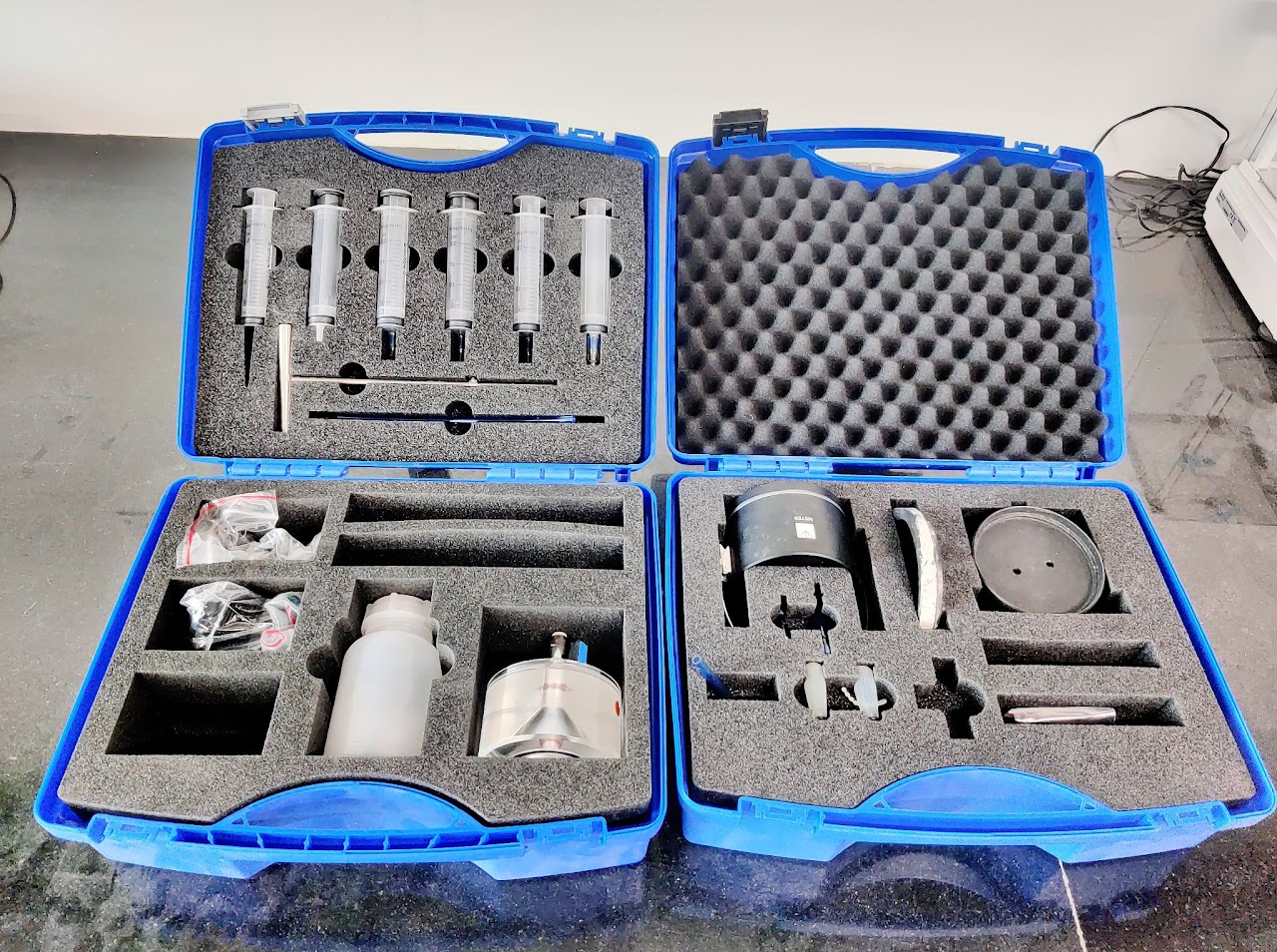
HYPROP
HYPROP is a fully automated measuring and evaluation system based on Schindler’s evaporation method (1980) to determine the hydraulic properties of soil samples.
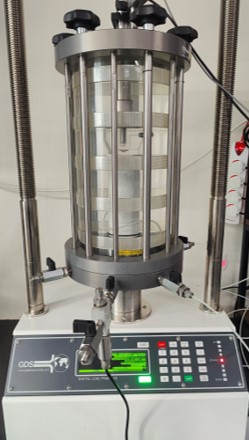
Unsaturated Triaxial Testing System
Soil is tested under conditions approaching the in-situ stress state and degree of saturation or partial saturation. Test that can be performed in this system are, Multi-stage Testing, Quasistatic low speed/creep tests, ramp and cycle pressure or volume change, Matric suction control, Stress Dependant Soil Water Characteristic Curve.
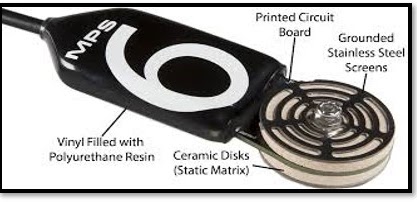
MPS-6 Sensor
The MPS-6 is a matrix water potential sensor that provides long-term, maintenance-free soil water potential and temperature readings at any depth without sensitivity to salts.
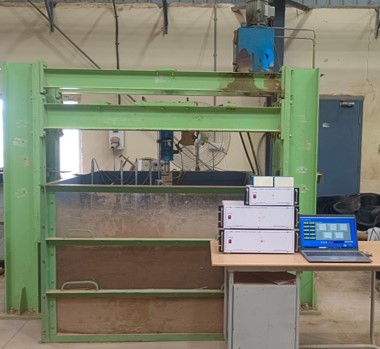
Load Frame - Large Scale Testing Setup – 50 kN
This setup can be used to conduct Uplift pullout test. Also used to analyze flexible pavement under uplift (Swell Pressure) condition.
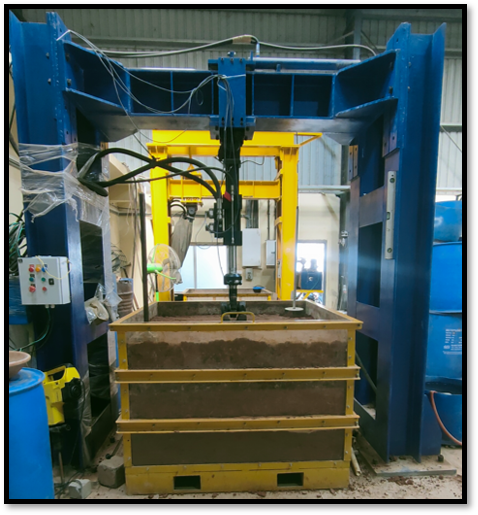
Linear Hydraulic Actuator 100 kN
Large-scale model pavement experiments (LSMPEs) are performed to assess the performance of geosynthetic-reinforced bases of flexible pavements overlying soft subgrades. Large scale studies gives better correlation matching field response. Actuator can apply both Static Load and Cyclic Load
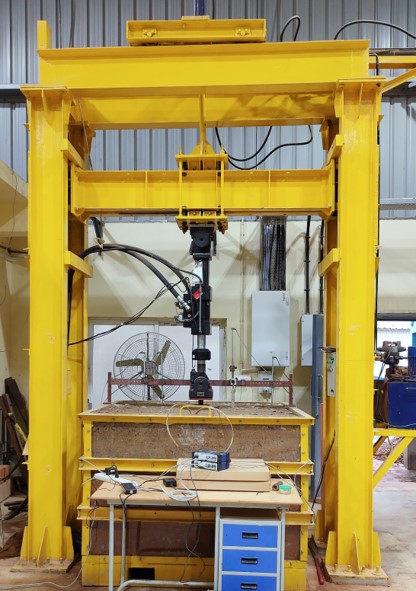
Linear Hydraulic Actuator 100 kN - Large scale pavement model setup
The objective is to simulate the field pavement condition under wheel loading to find the rutting and fatigue behaviour. LSMPE has different components: Reaction frame with actuator and load cell to apply load, Loading plate of 300mm diameter to simulate wheel contact area, Test chamber of size (1500x1500x1000) mm (L x W x H).
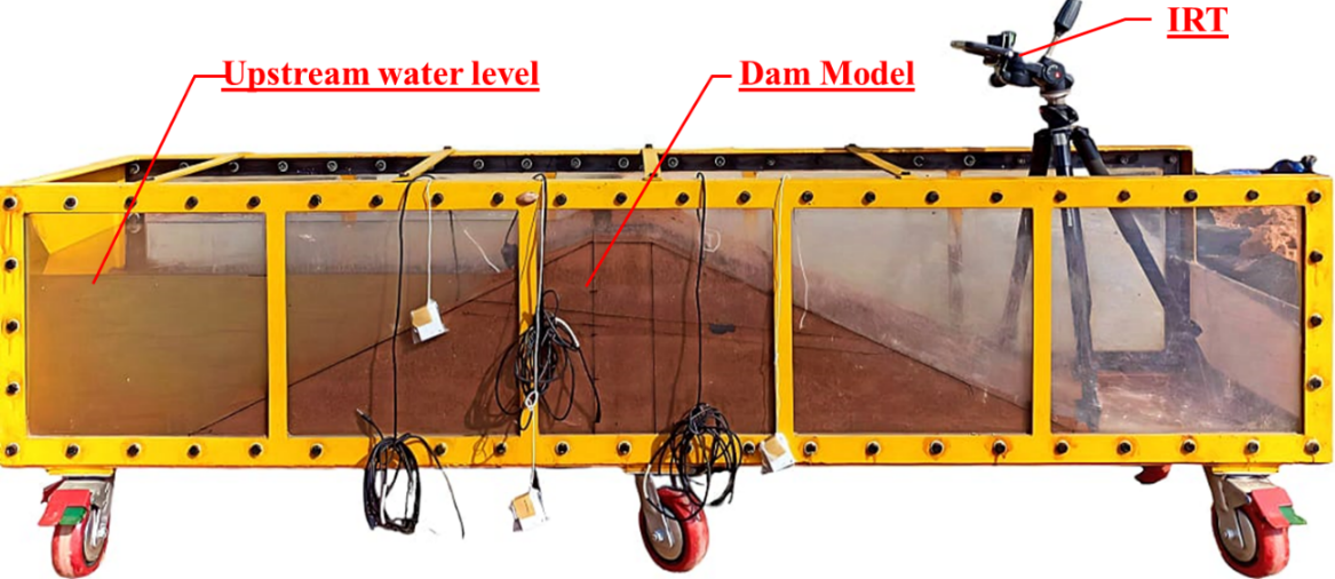
Laboratory-scale set up for seepage detection
Physical model to study Seepage and Erosion Detection in Earthen and Tailing Dams
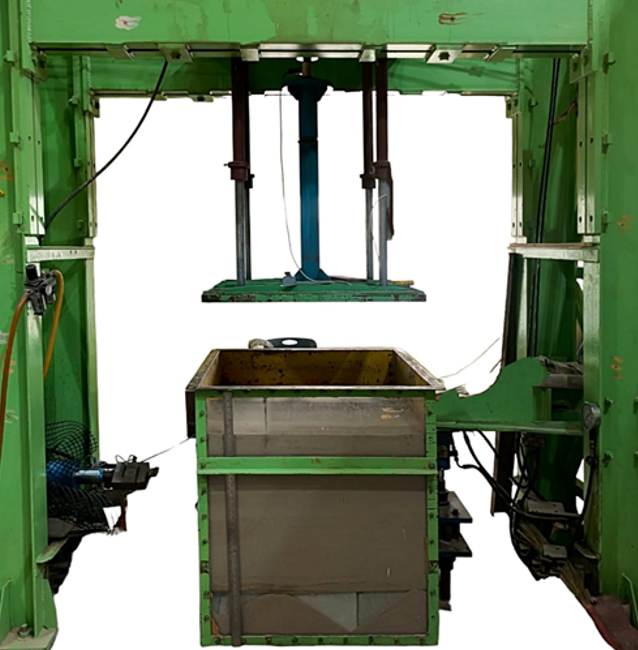
Load Frame - Large scale Pull Out Test Setup for Geo-Synthetics
This setup aims to conduct axial pullout test for the geogrids using different types of fill materials, assess the performance of embedded reinforcement, and determine its ability to prevent slippage. Pullout test frame with axial and transverse components. Test chamber: 900 x 900 x 1000 mm (L x W x H) with 400 mm wide and 20 mm deep geogrid opening. Axial pullout setup: hydraulic cylinder, load cell, clamping plate, and sleeve system. Gripping mechanism: two serrated mild steel plates, twelve bolts per row, and three extra bolts to prevent slippage.
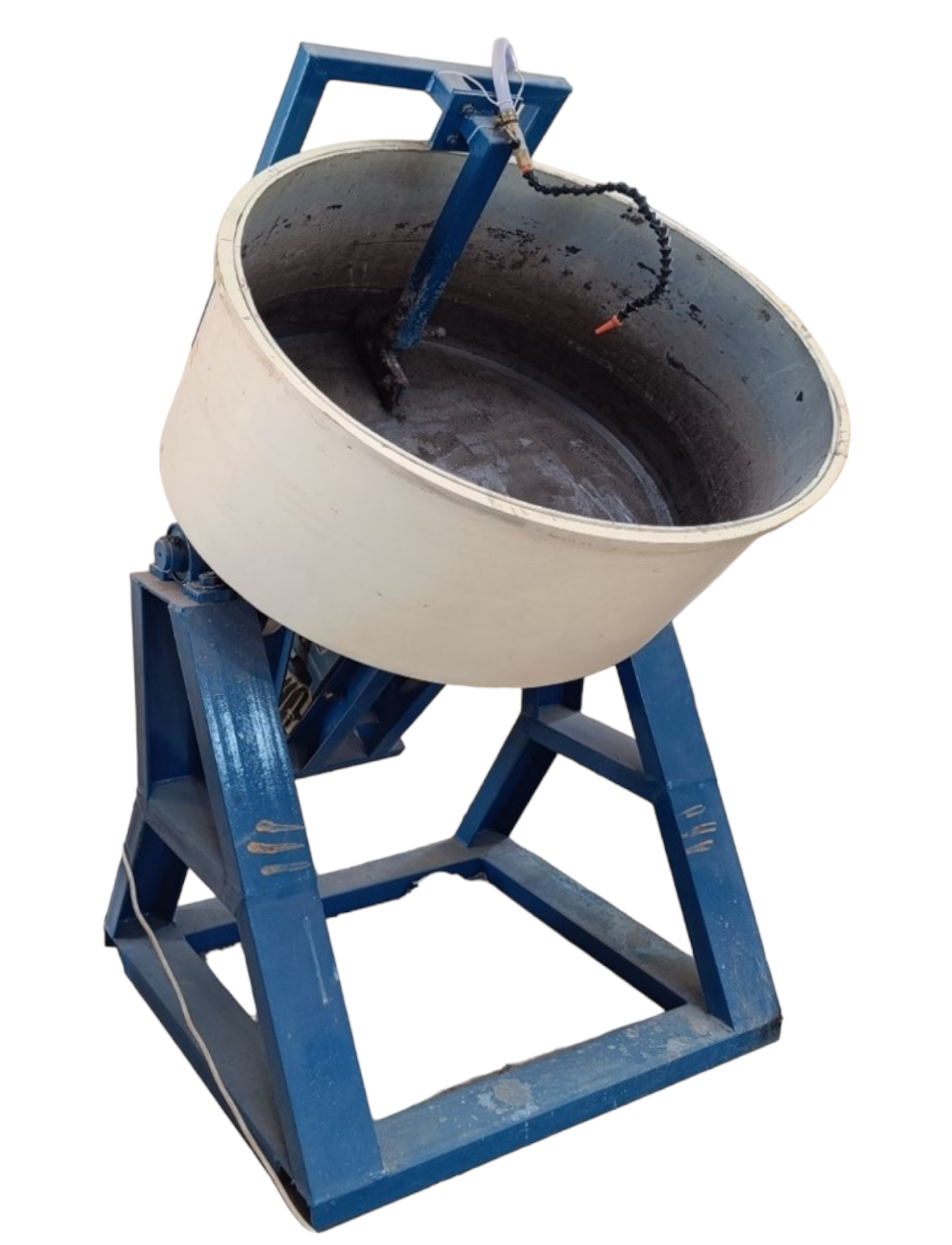
Pelletizer
Pelletizing is the process of enlarging particle size by agglomerating material particles into pellets or granules. The disc pelletizer is a device that facilitates the production of pellets by blending raw materials. A scraping blade is positioned on one edge of the disc to remove any mixture that may be sticking to its bottom and walls. The blade also acts as an energy barrier, which helps to further compact either free-moving or radially rotating pellets
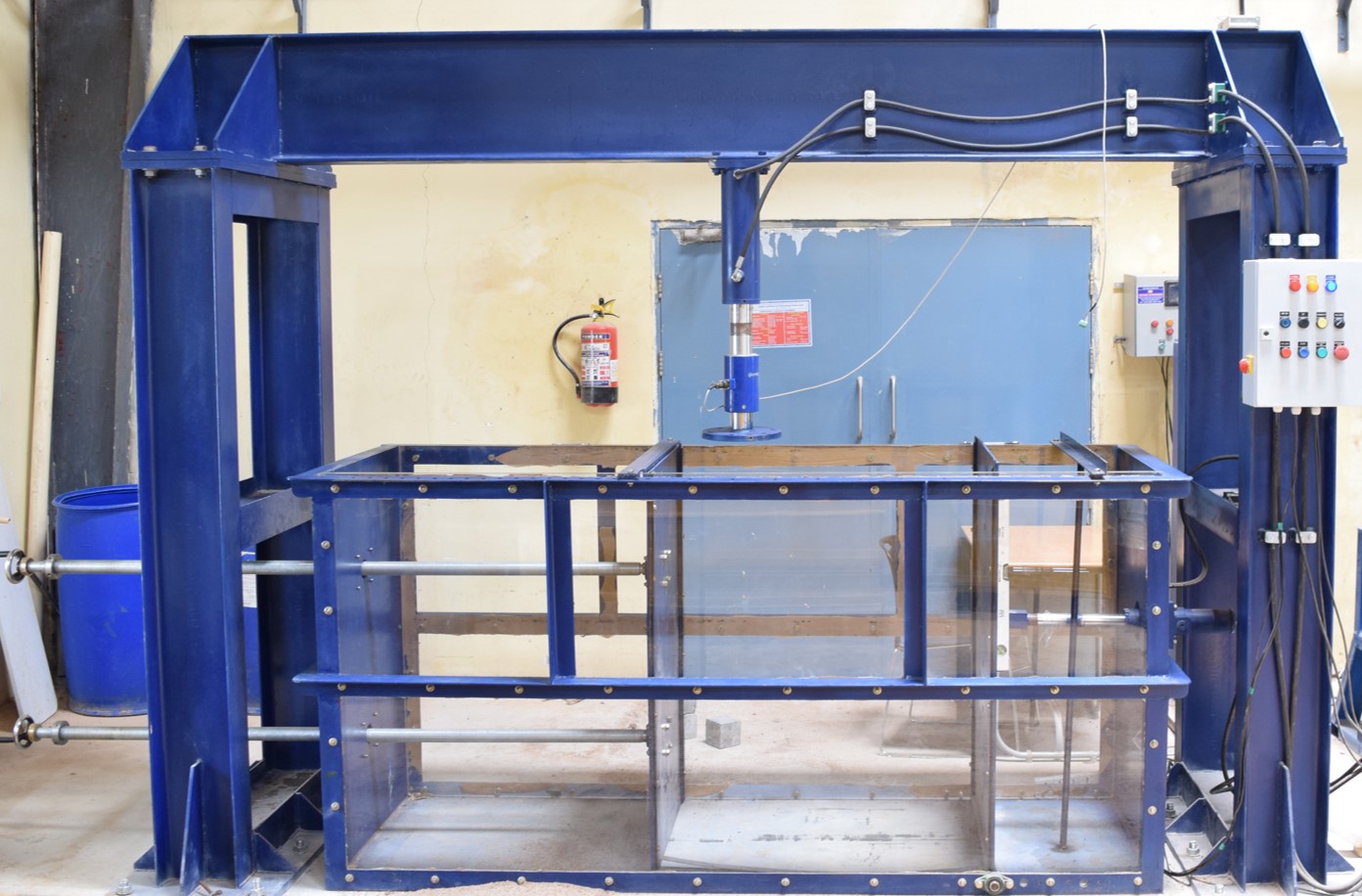
Narrow Backfill Retaining Wall Setup load frame – 150 kN
Its purpose is to observe the failure surfaces in a narrow backfill retaining wall. The equipment comprises two movable plates, one simulating the retaining wall and the other representing the rock face. The sides of the apparatus are made of acrylic glass to facilitate the observation of failure surfaces. The retaining wall is capable of rotating about its base as well as the top. It can also slide, while the rock face can be inclined to mimic actual field conditions.
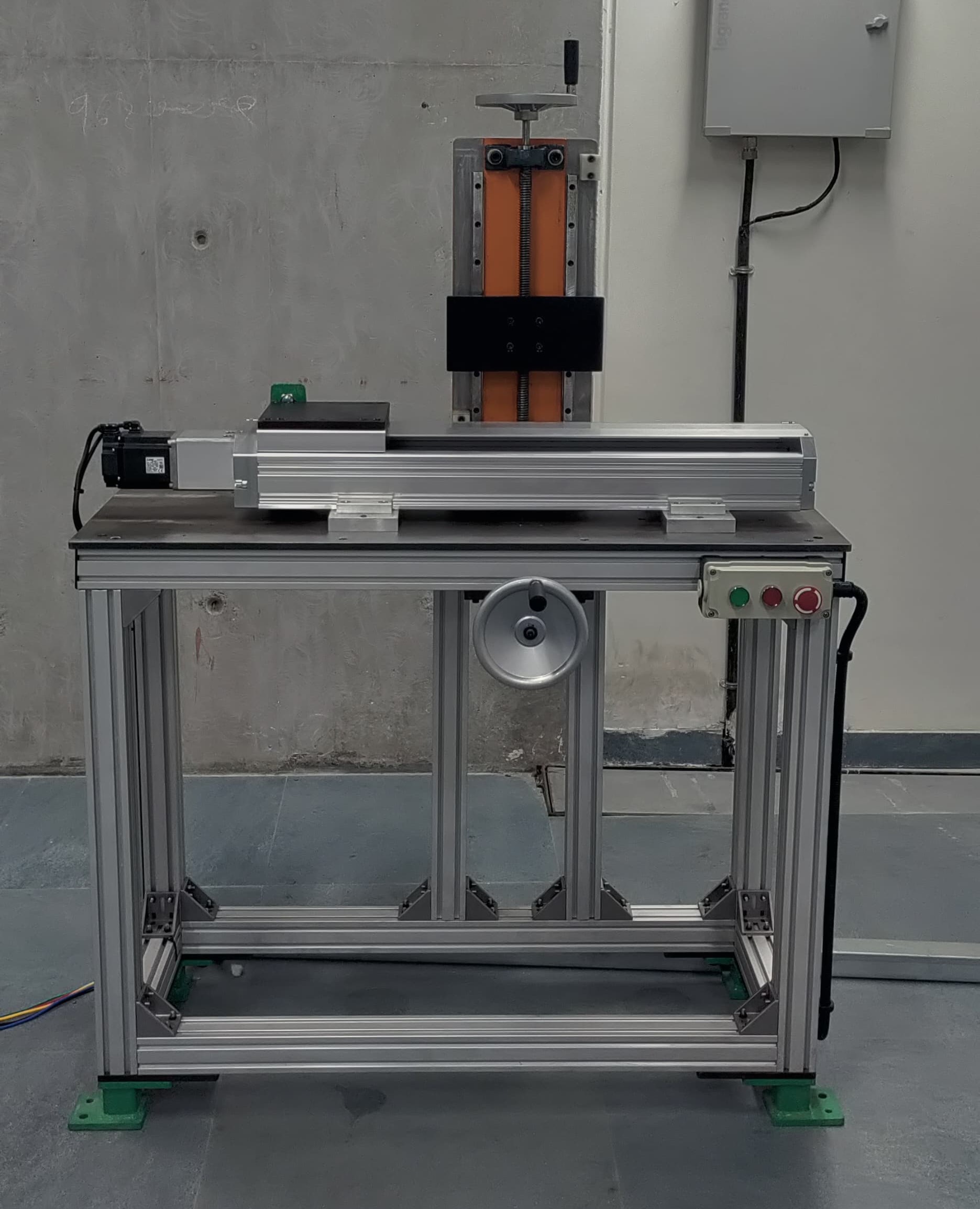
Orthogonal Cutting Machine
Orthogonal cutting machine designed for precise rock cutting experiments. The setup allows for real-time monitoring using high-speed imaging, enabling detailed analysis of rock behavior under controlled cutting conditions
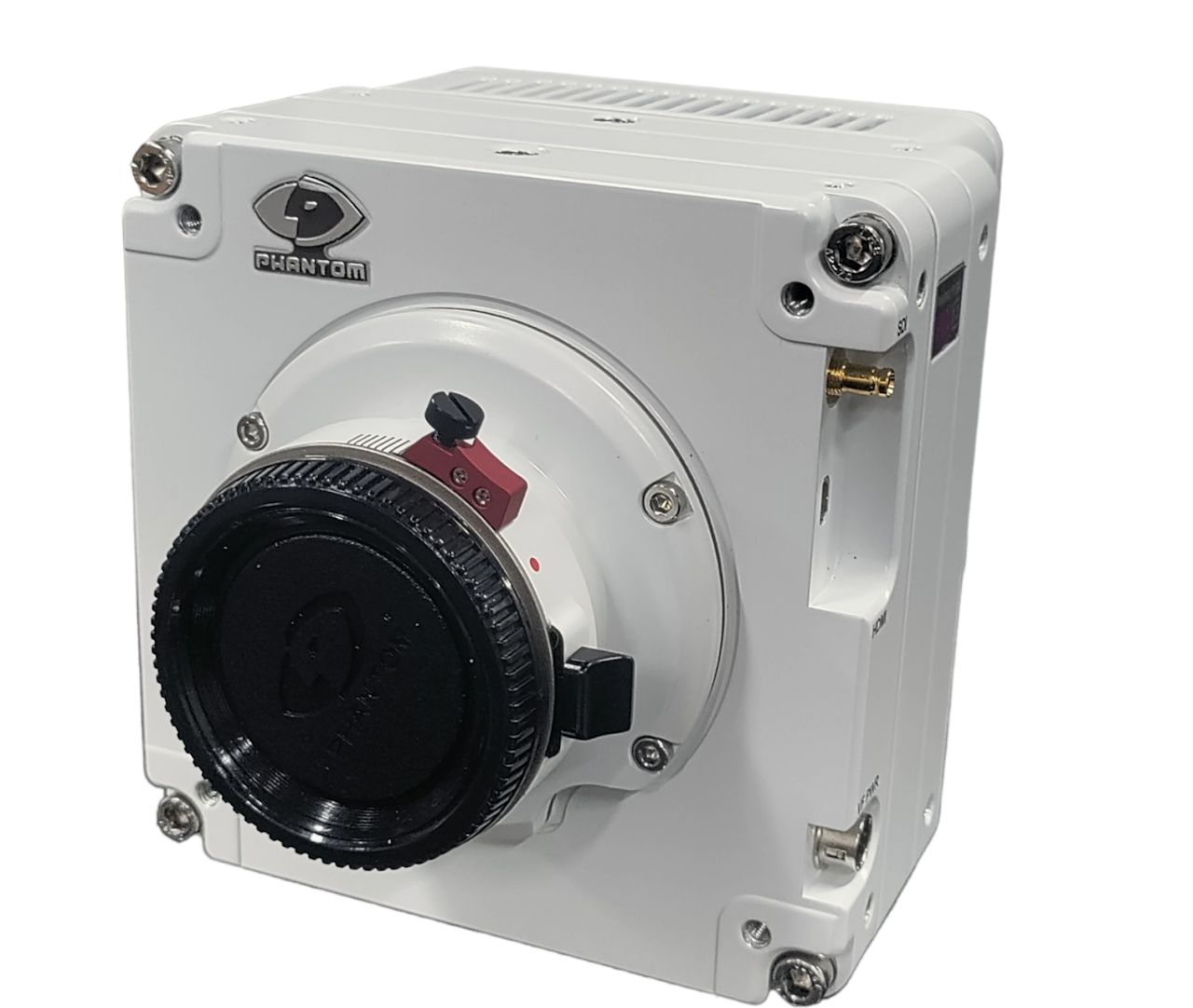
High Speed Camera
The high-speed camera we use is a Phantom VEO E series camera which can go up to 3200 fps at a max resolution of 1280x800 and even up to 2 lakh fps at lower resolutions.
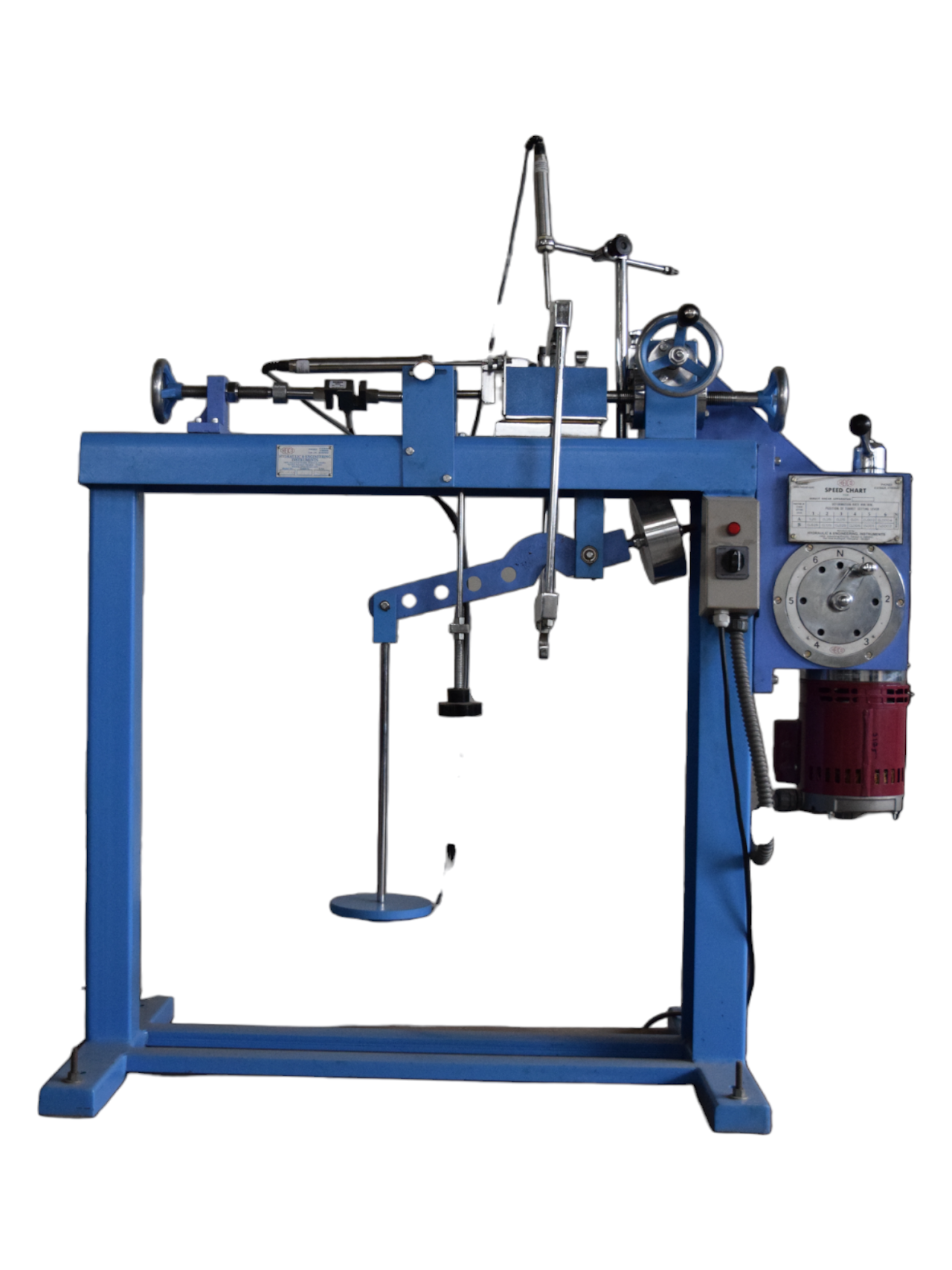
Electronic Direct Shear Apparatus
Test is performed as per IS 2720 part XIII The normal load, strain and shearing force are measured directly during the test. It is also used to estimate residual stress of soil.
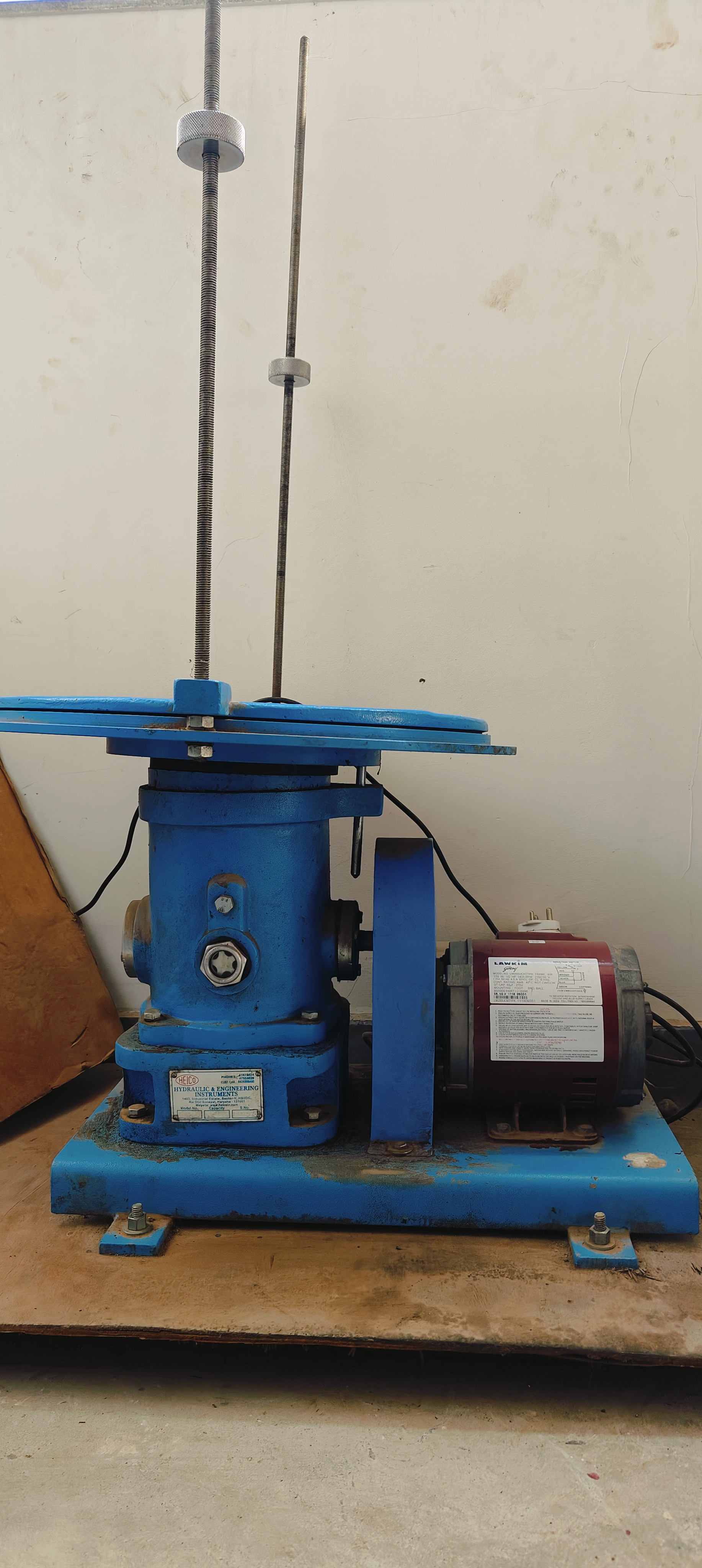
Motorized Sieve shaker
A motorized sieve shaker, often called a RO-TAP, is a laboratory instrument that uses mechanical or electromagnetic vibrations to separate particles by size, crucial for particle size analysis
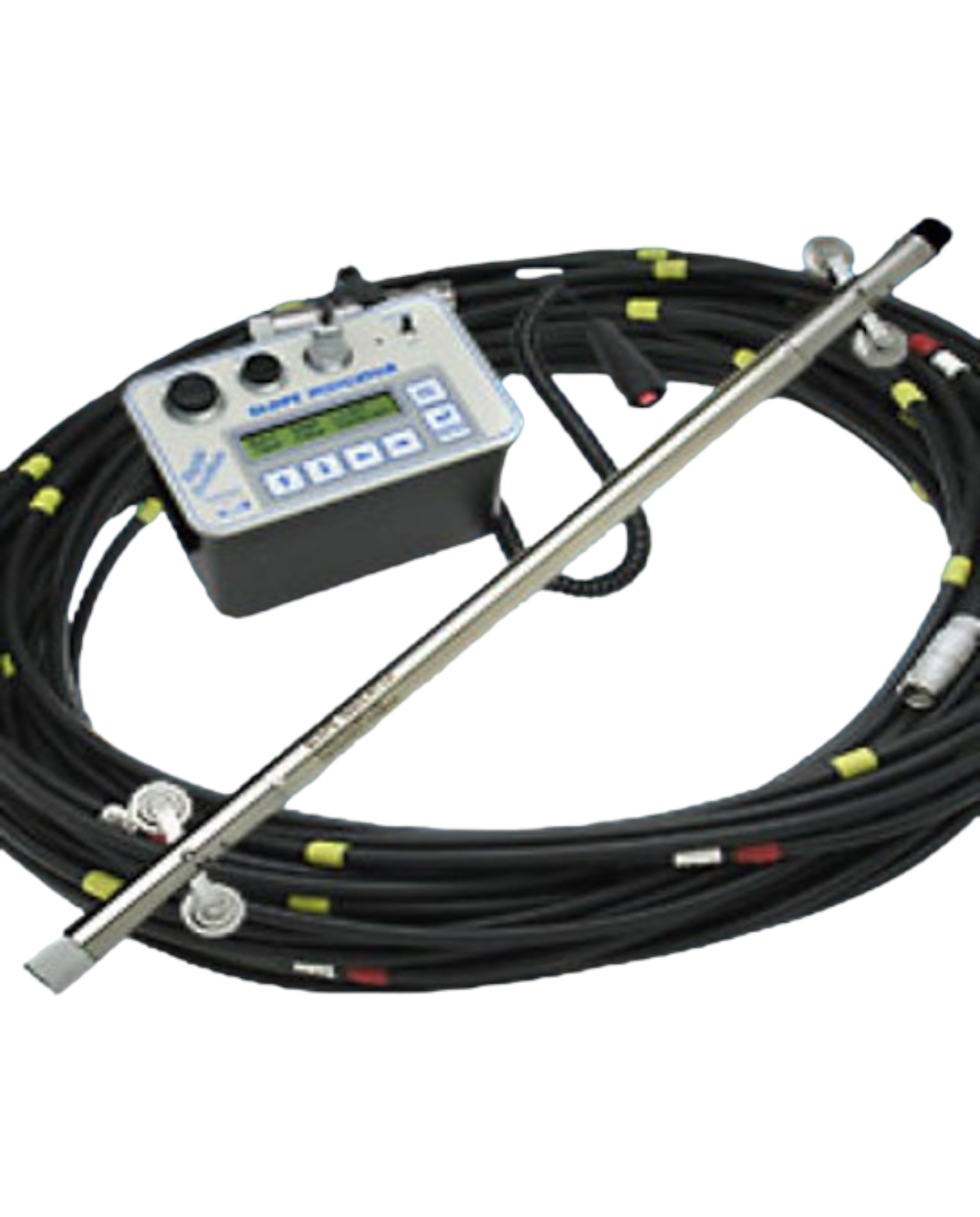
Inclinometer
Inclinometer is used for measuring angles of slope, elevation, or depression of an object with respect to gravity's direction.
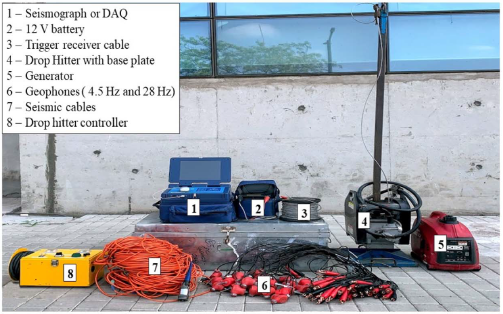
Multichannel Analysis of Surface Waves (MASW)
MASW is a non-destructive seismic method to evaluate material layer thickness, their shear wave velocity 1D (depth) or 2D (depth or surface location), Poisson’s ratio, and density.
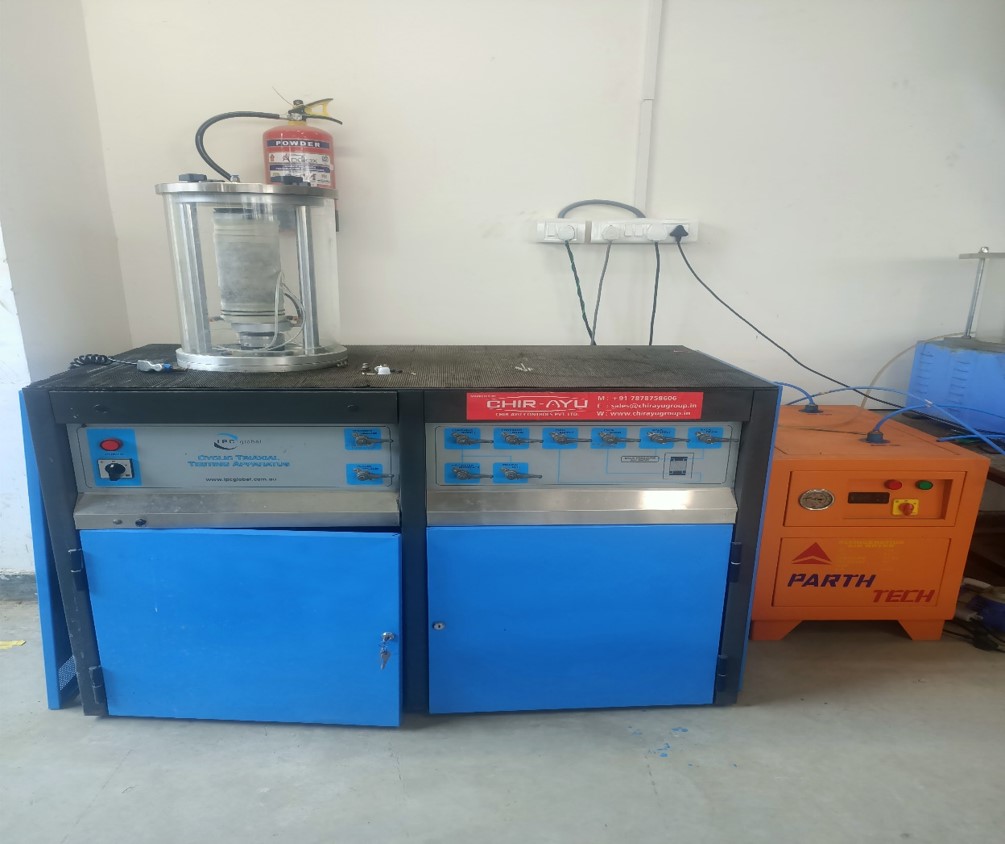
Cyclic Tri-axial Testing Apparatus
This test is used for Determination of Shear modulus (G) and Damping ratio (D) of soils in either undisturbed or reconstituted states by using either stress or strain controlled cyclic triaxial system.
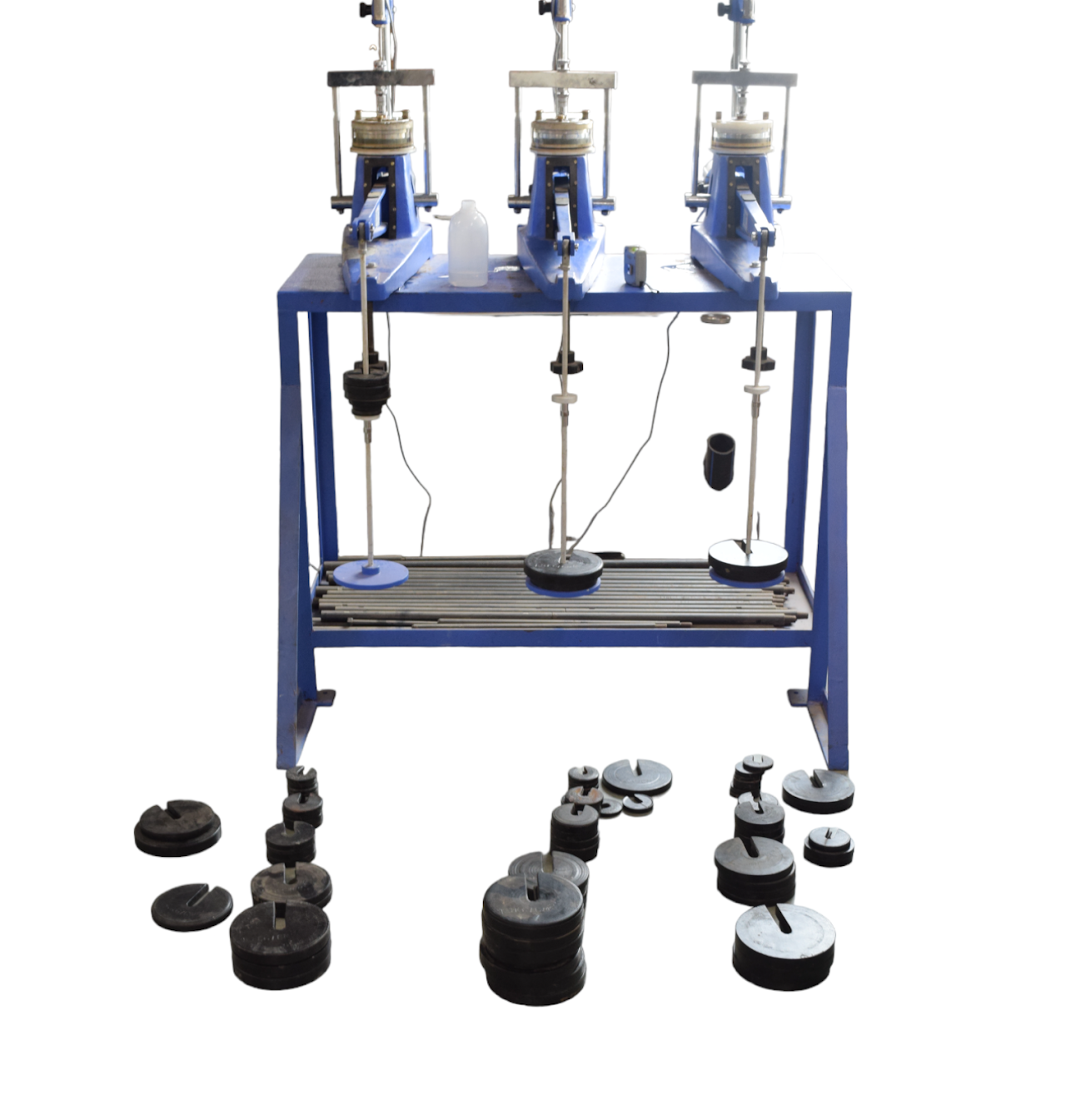
Three Gang consolidometer
The test procedure is based on IS 2720(Part 15) - This test simulates one dimensional primary consolidation with double drainage and is used to predict the time rate and extent of settlement.
.png)
Automatic single consolidometer
The Automatic Consolidation Apparatus eliminates the traditional hanging weight system. It is a compact, table top system with low power consumption.
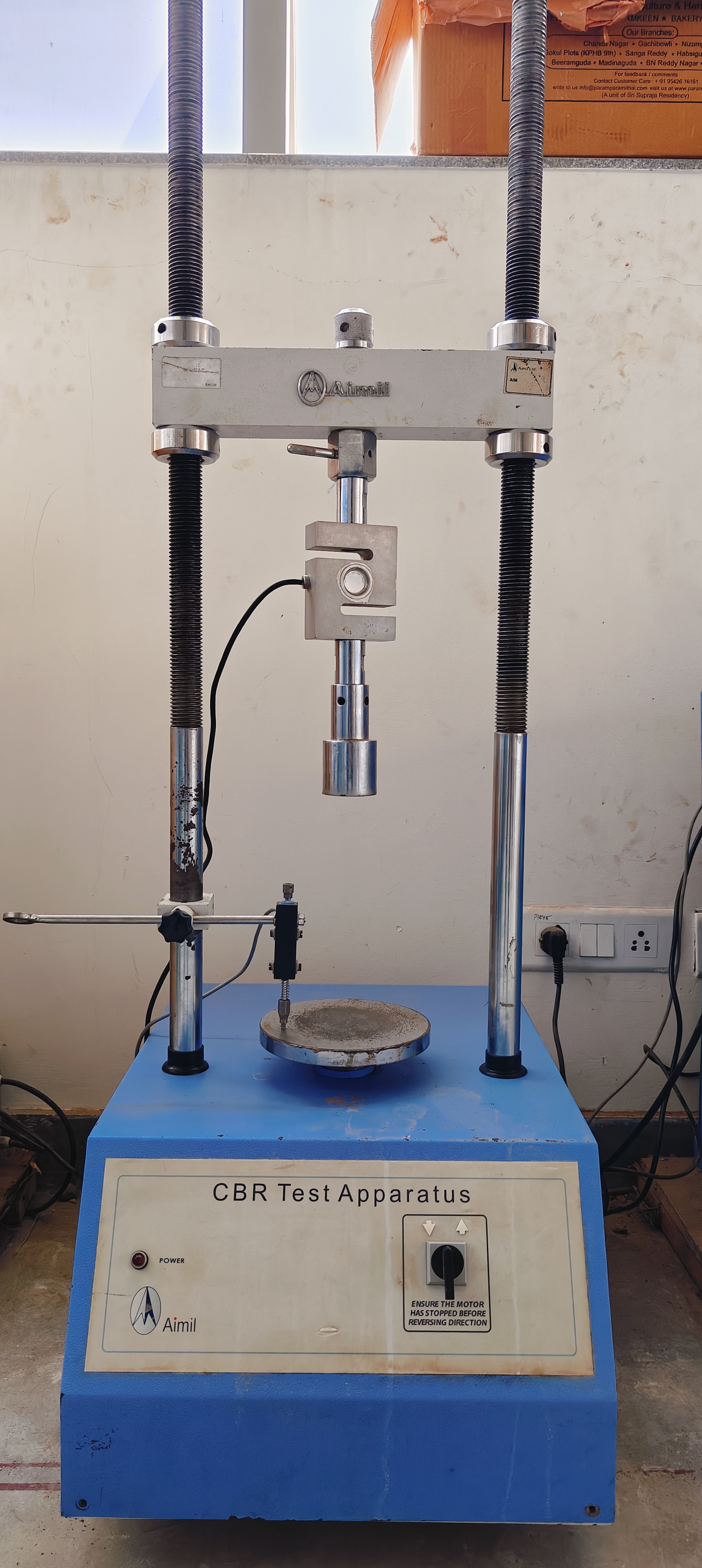
CBR Testing
The test procedure is based on IS 2720(Part 16) - The California Bearing Ratio (CBR) test is a penetration test meant for the estimation of subgrade strength of roads and pavements.
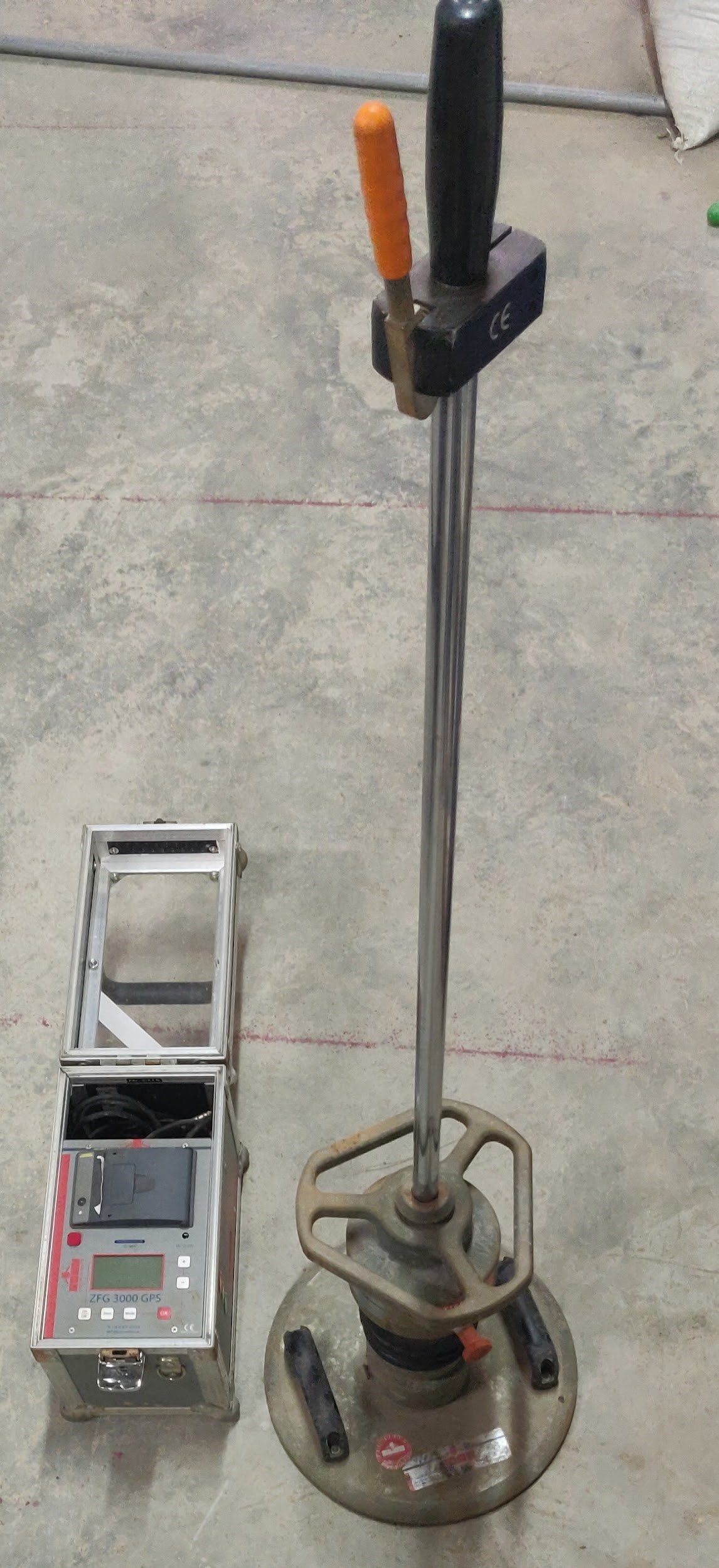
Light Weight Deflectometer
The Light Weight Deflectometer is used to determine the dynamic deformation modulus Evd [MN/m²] by means of the dynamic plate load test. This provides conclusions on the bearing capacity and compaction quality of soils.
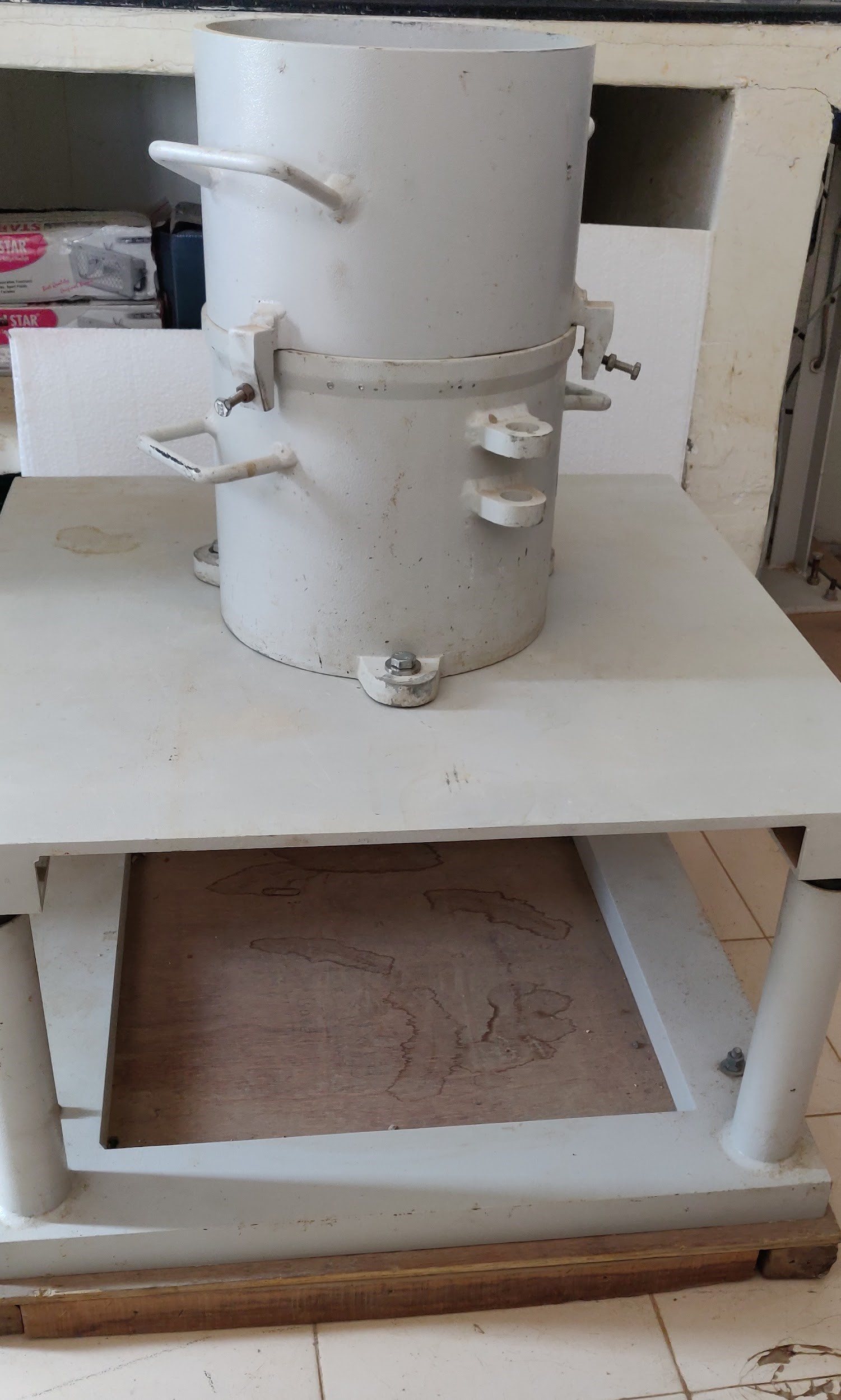
Relative Density Test Apparatus
The test procedure is based on IS 2720(Part 14) - Relative density determines the compactness of the cohesionless soil.
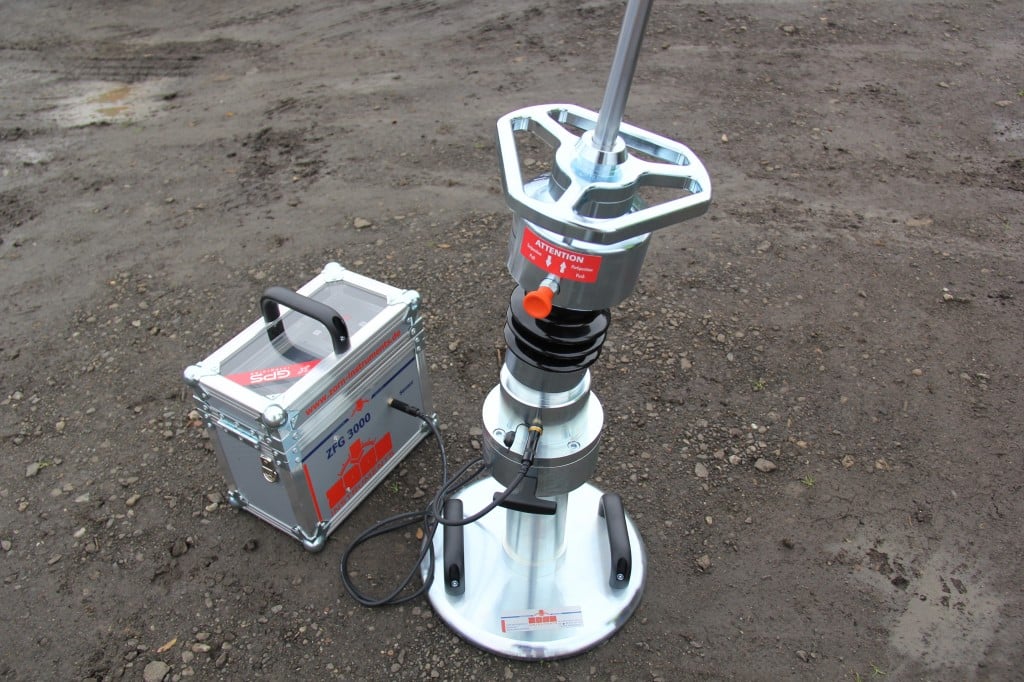
Field CBR Test Apparatus
To estimate suitability for traffic and the compactability, as well as the load-bearing capacity of the mineral aggregate mixtures laid.
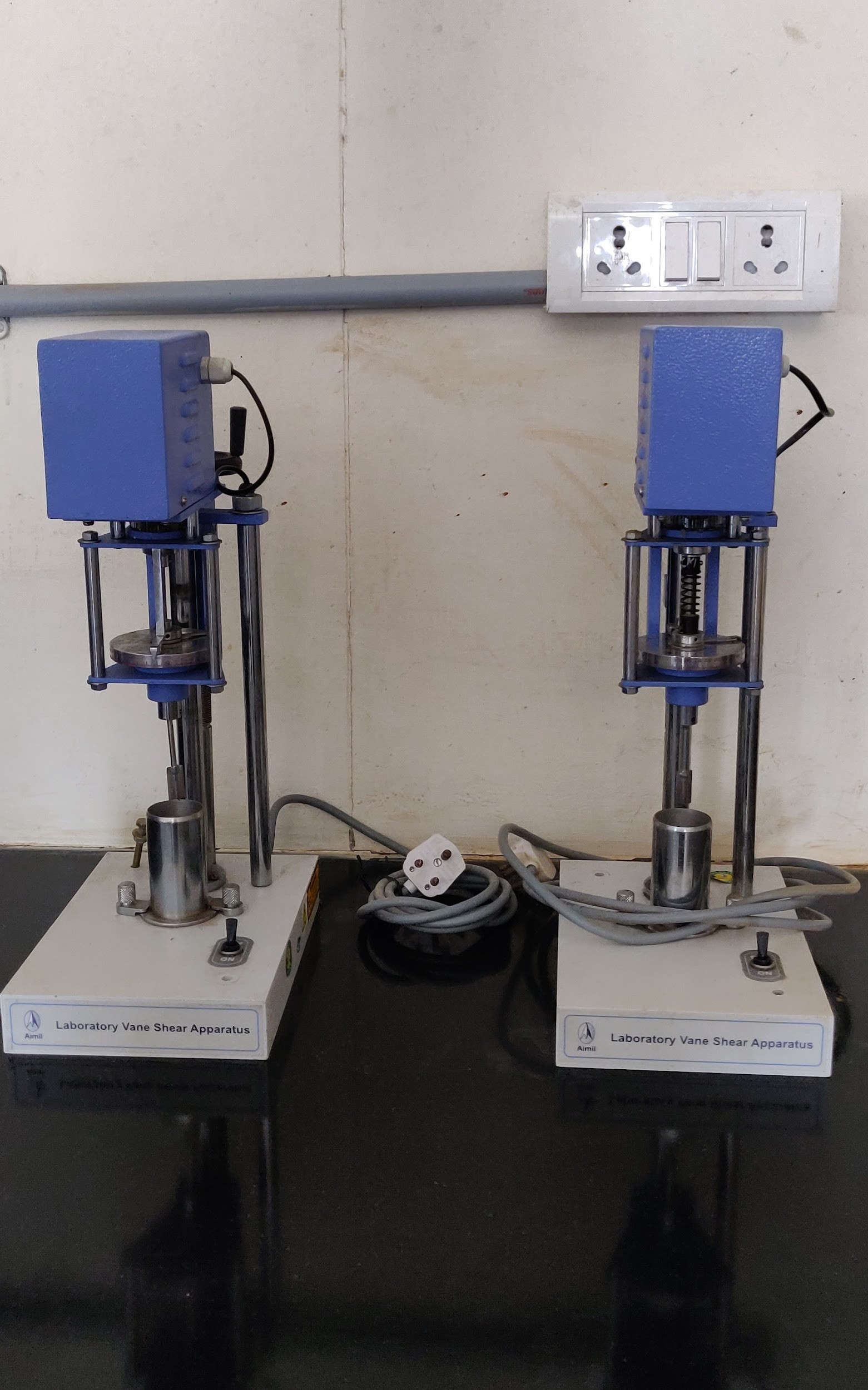
Laboratory Vane shear Test
Vane shear test is a useful method of measuring the undrained shear strength of clay especially for soils of low shear strength (less than 0.3 kg/cm2).
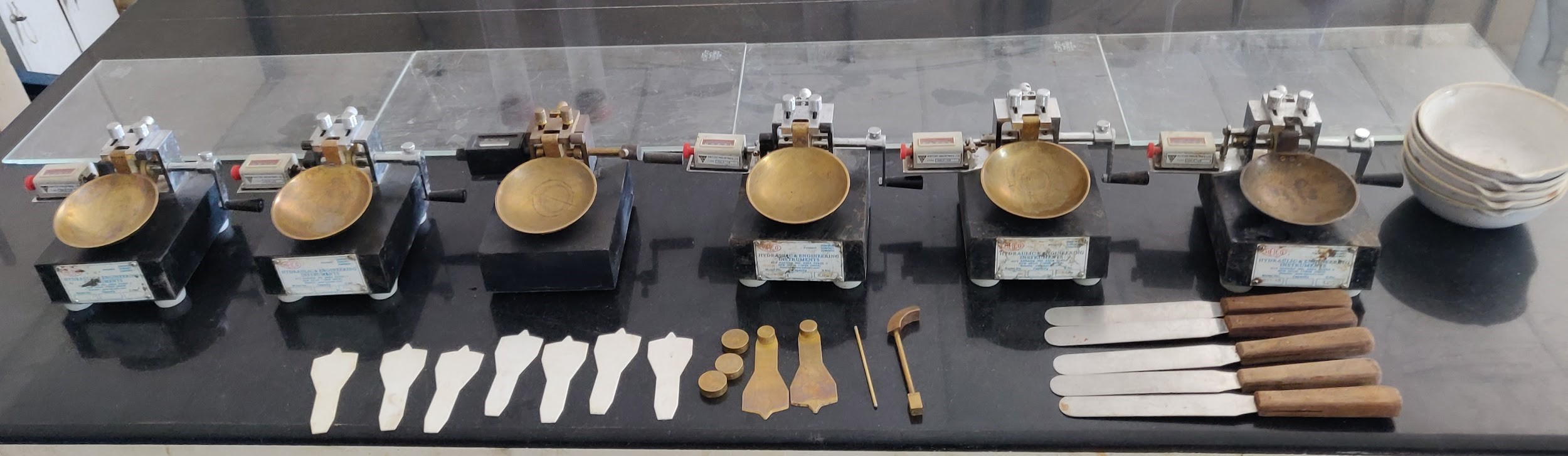
Soil Consistency test apparatus - LL / PL / SL
The test procedure is based on IS 2720(Part 5&6) - Atterberg' Limit define the limits of soil consistency for the classification of fine-grained
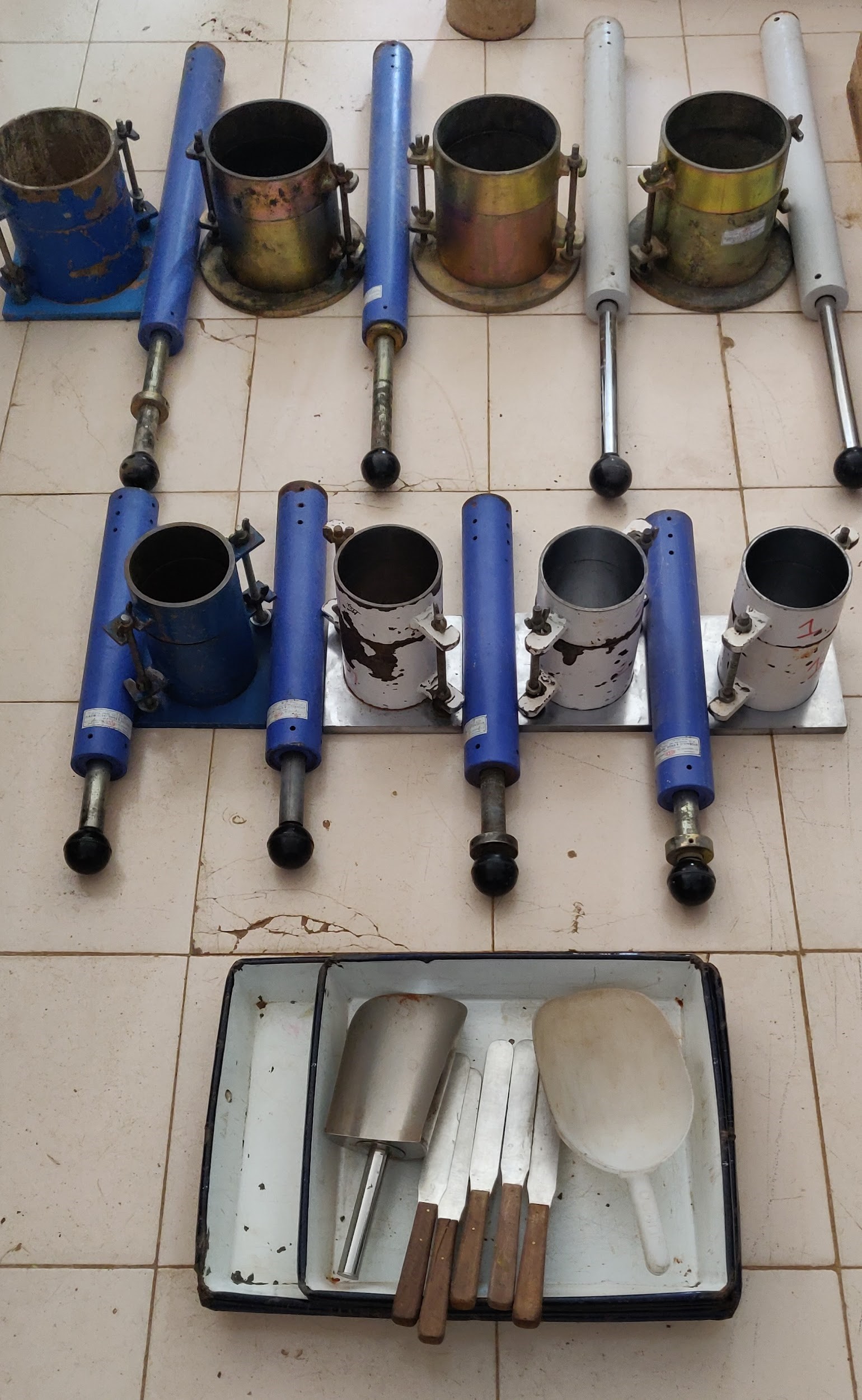
Proctor Compaction Test
The test procedure is based on IS 2720(Part 7&8) - Proctor compaction test helps to determine the relationship between the moisture content and the density of the soil that is compacted
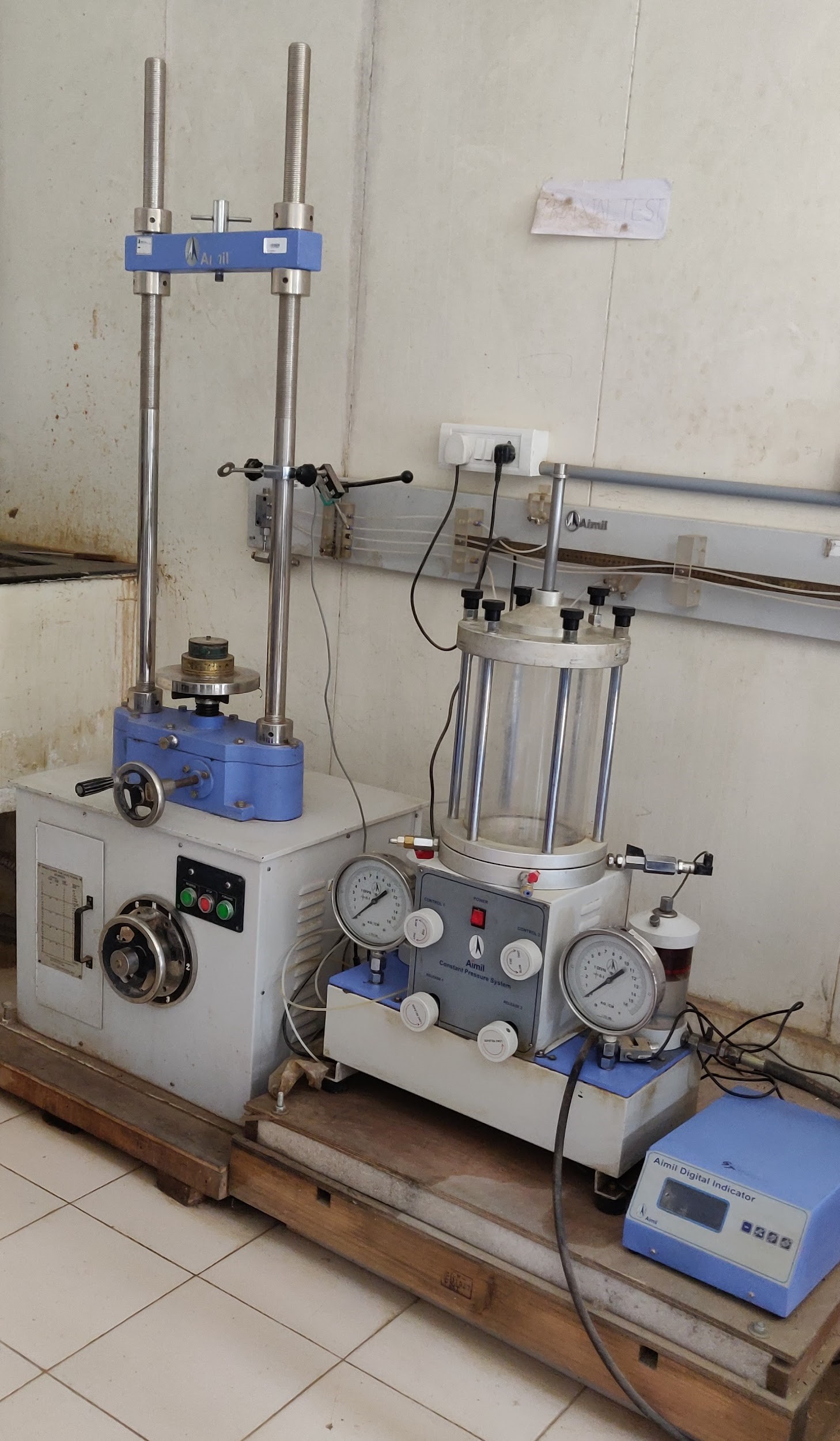
Triaxial Apparatus
Triaxial test is a laboratory test used for ascertaining the shear strength parameters of soil specimens placed under confining pressure.
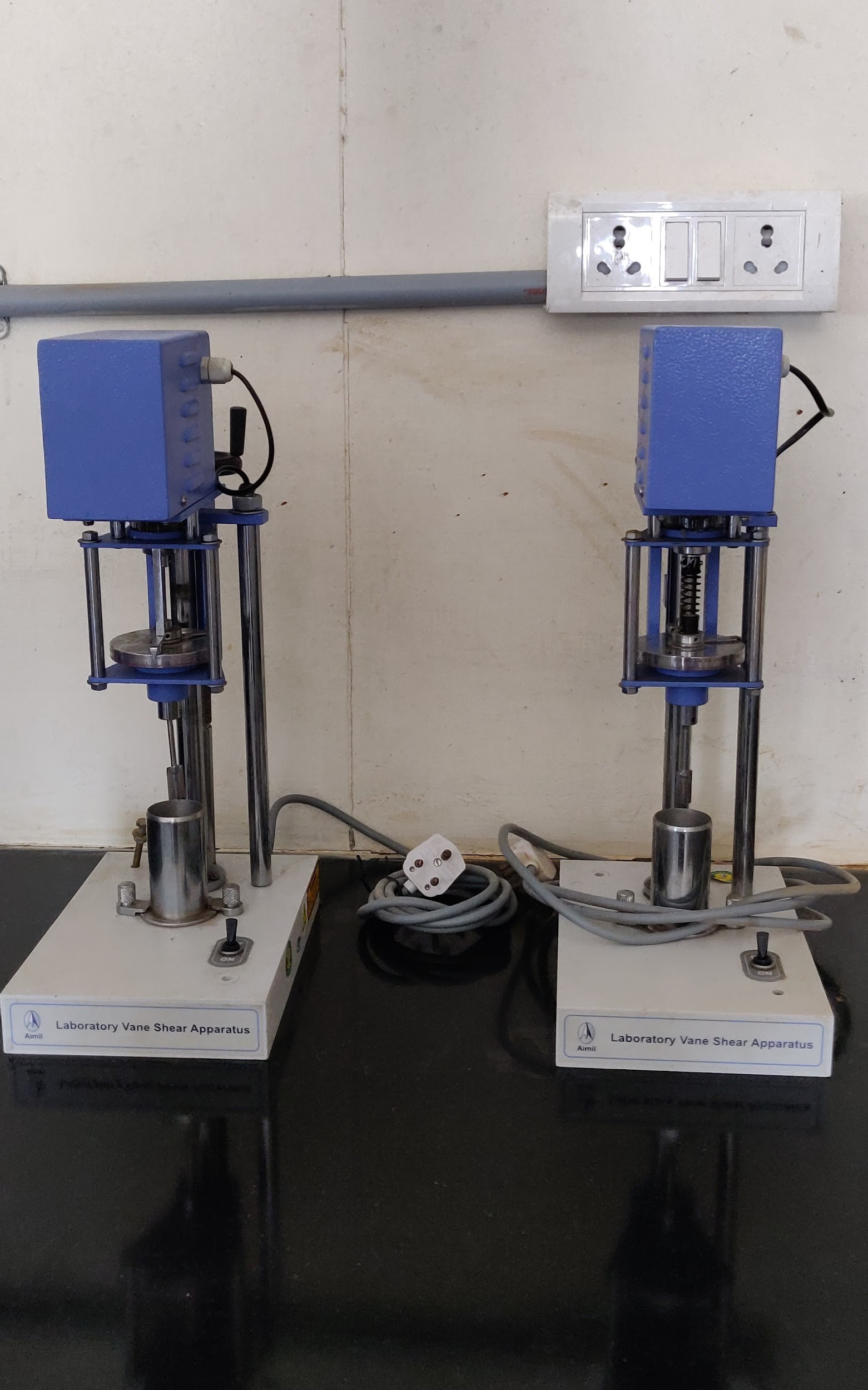
Laboratory Vane shear Test
The test procedure is based on IS 2720(Part 30) - Vane shear test is a useful method of measuring the undrained shear strength of clay especially for soils of low shear strength (less than 0.3 kg/cm2).
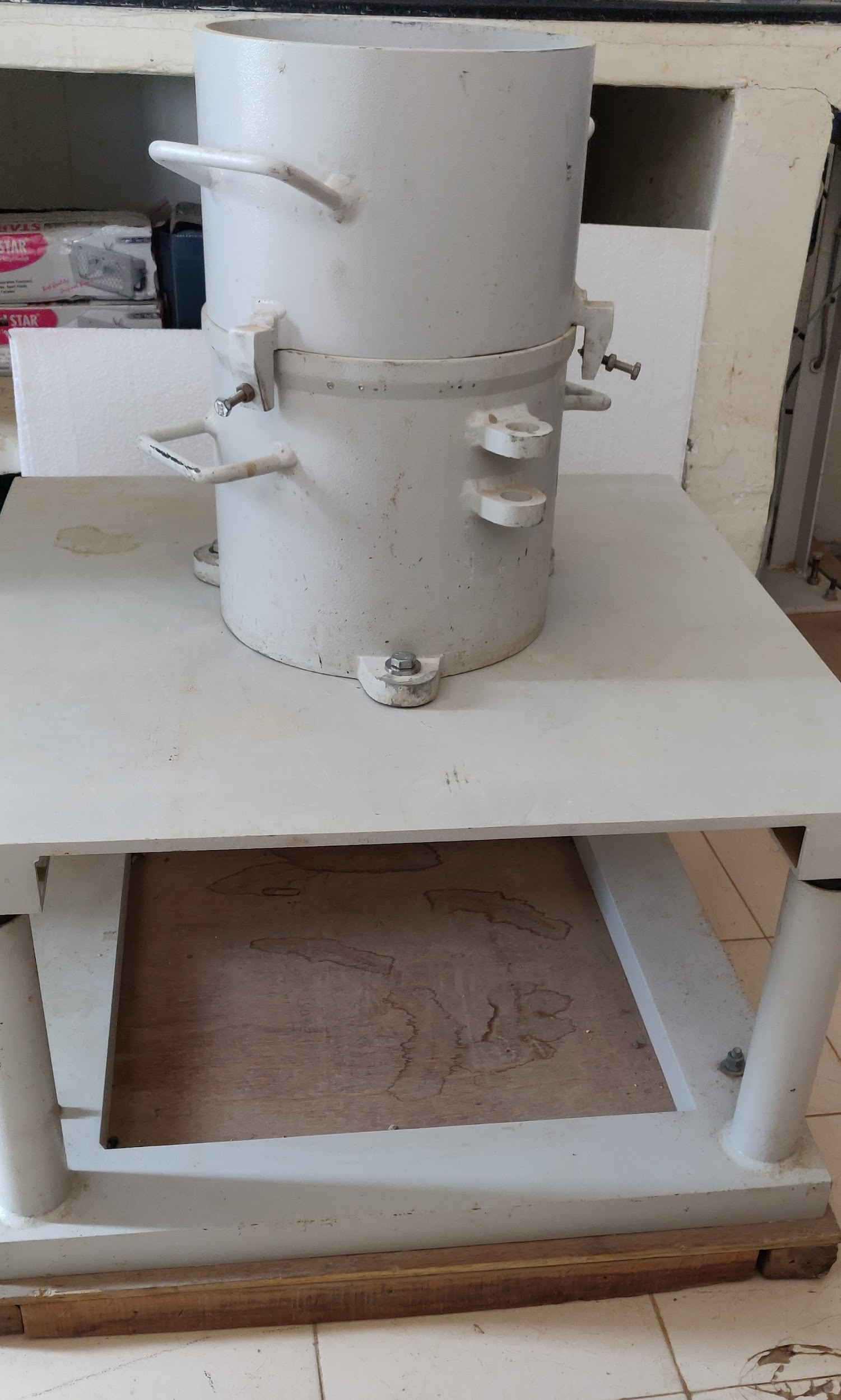
Relative Density Test Apparatus
The test procedure is based on IS 2720(Part 14) - Relative density determines the compactness of the cohesionless soil.
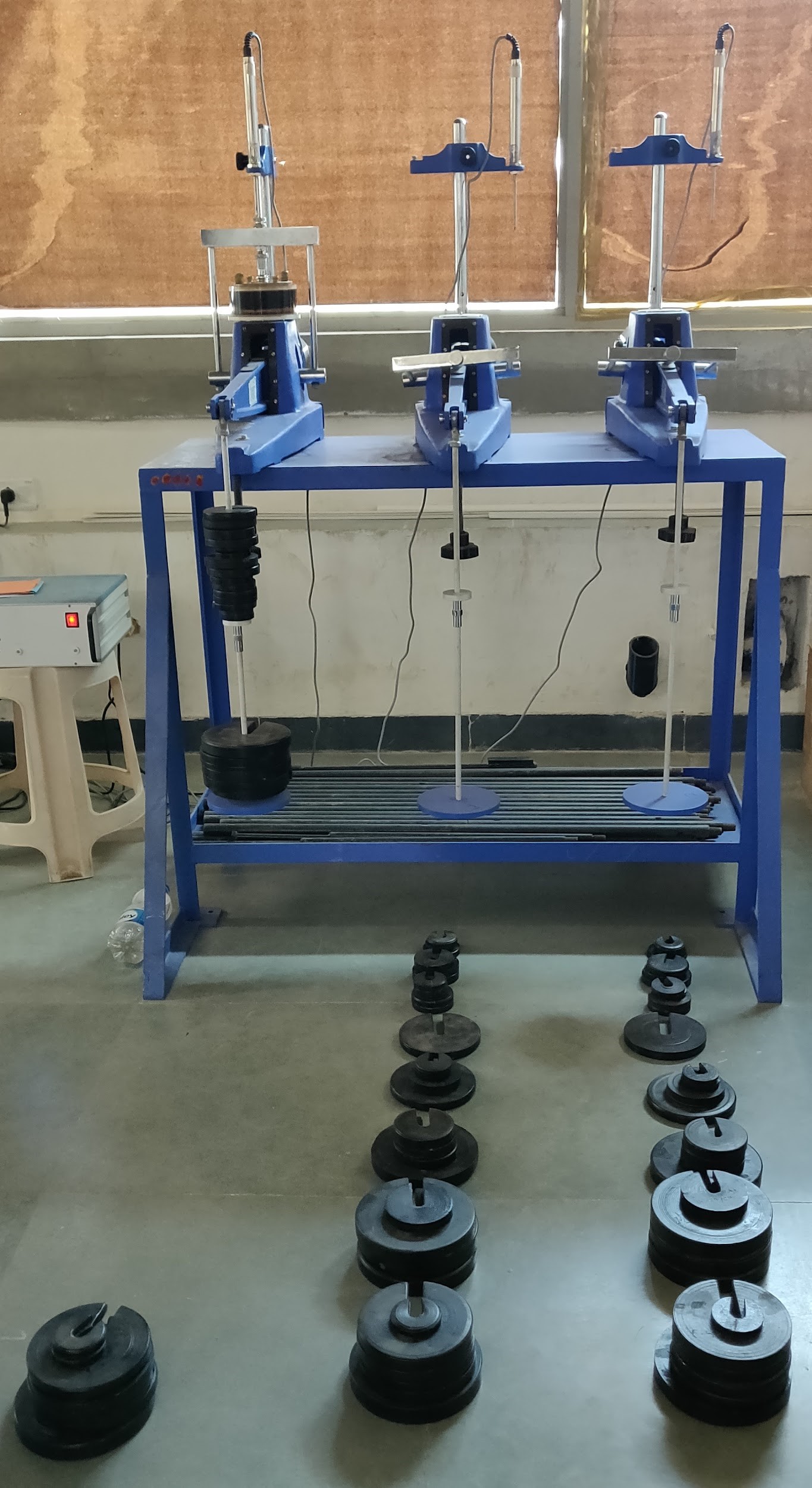
Three Gang consolidometer
The test procedure is based on IS 2720(Part 15) - This test simulates one dimensional primary consolidation with double drainage and is used to predict the time rate and extent of settlement.
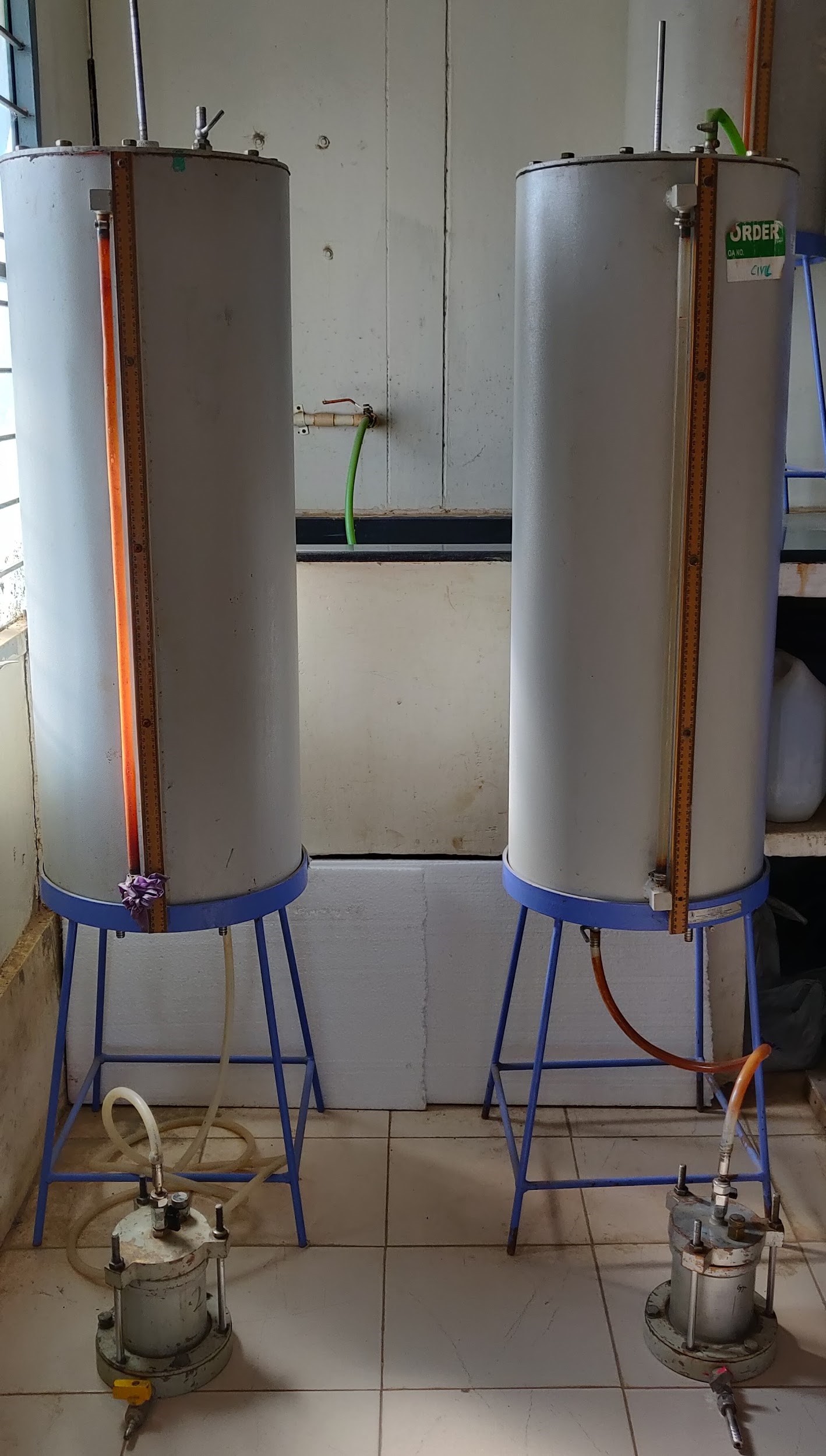
Permeability - Costanat Head
The test procedure is based on IS 2720(Part 17) - The constant head permeability test is used for coarse-grained soils with a reasonable discharge in a given time
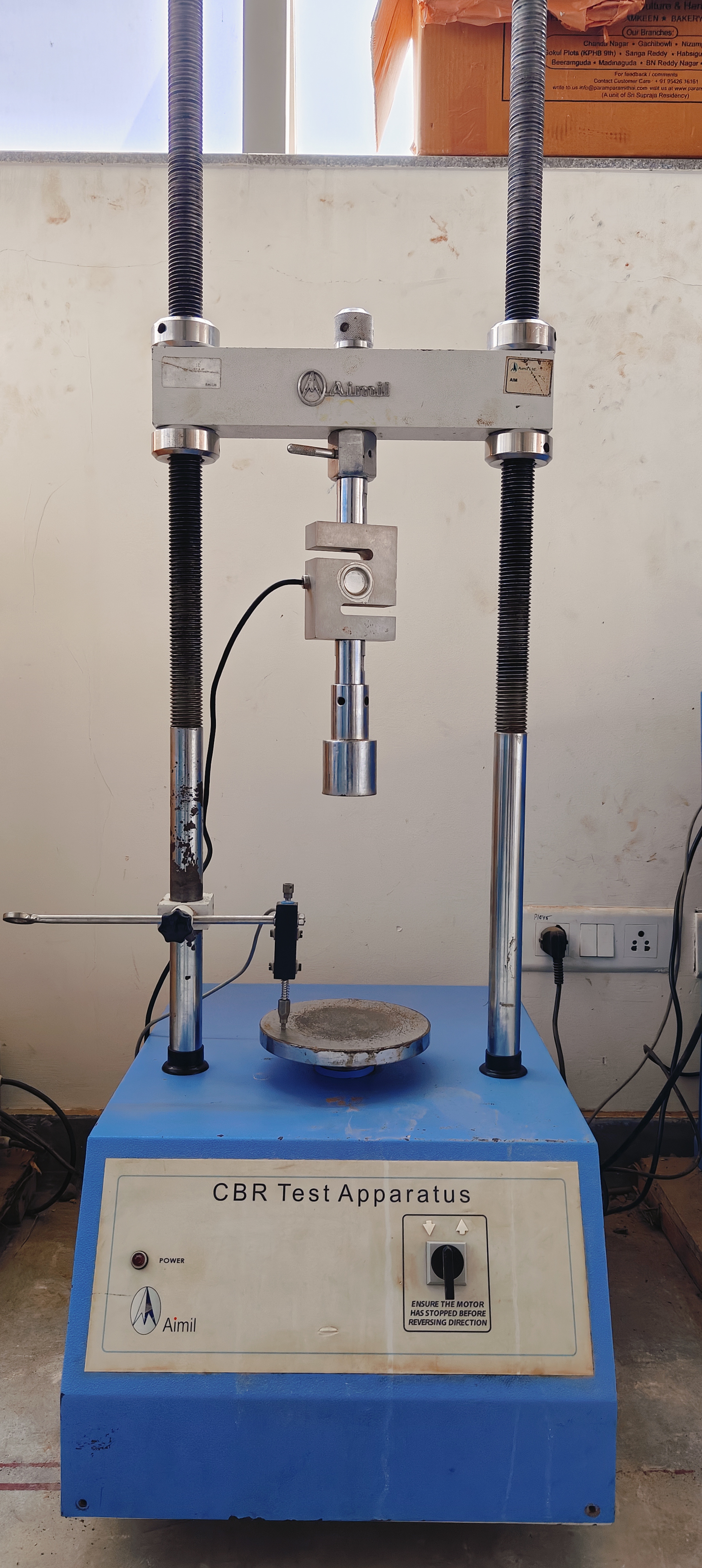
CBR Testing
The test procedure is based on IS 2720(Part 16) - The California Bearing Ratio (CBR) test is a penetration test meant for the estimation of subgrade strength of roads and pavements.
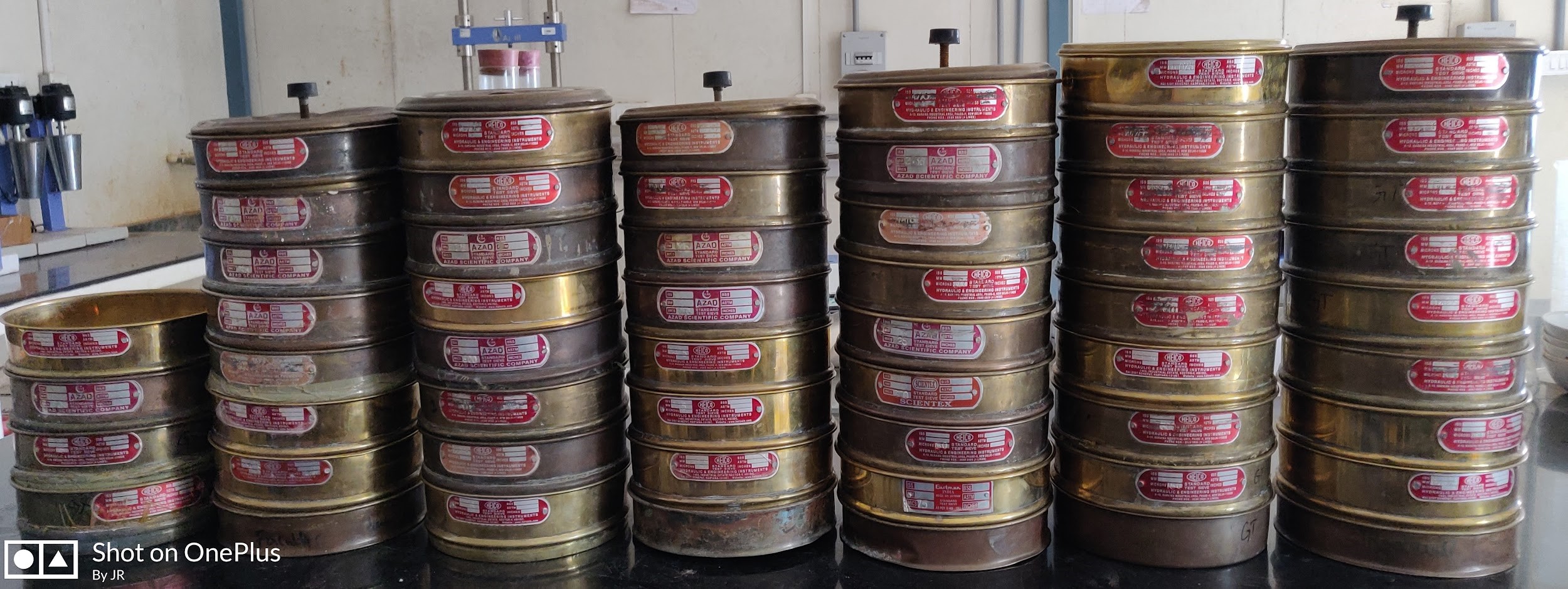
Sieve Sets
The test procedure is based on IS 2720(Part 4) - Sieve analysis is the method of particle size analysis, using which we determine the amount of particles of different sizes present in the soil sample.
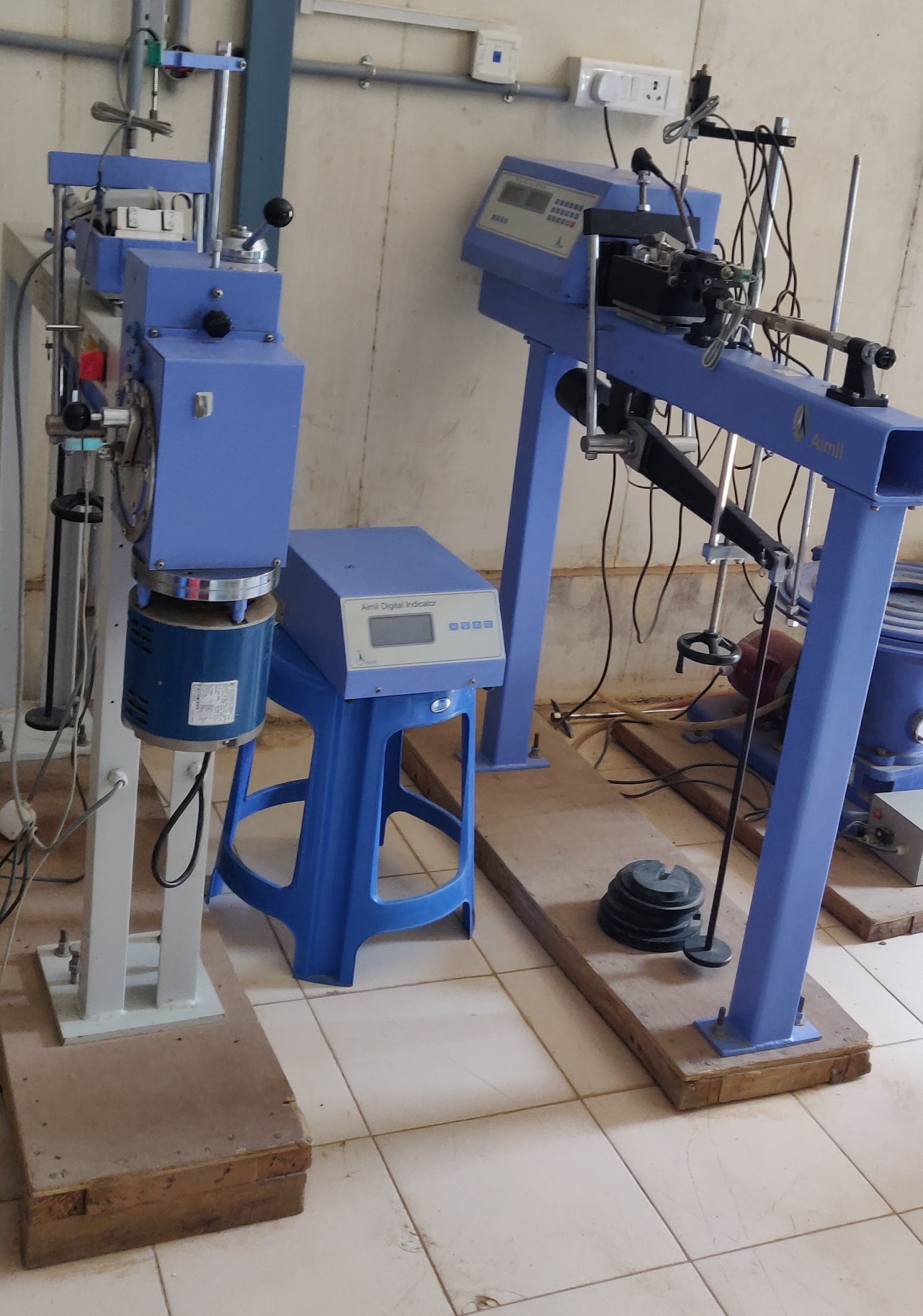
Direct shear Testing
The test procedure is based on IS 2720(Part 13) - The direct shear test gives the ultimate shear resistance, peak shear strength, cohesion, angle of internal friction and shear stress-strain characteristics of the soils.
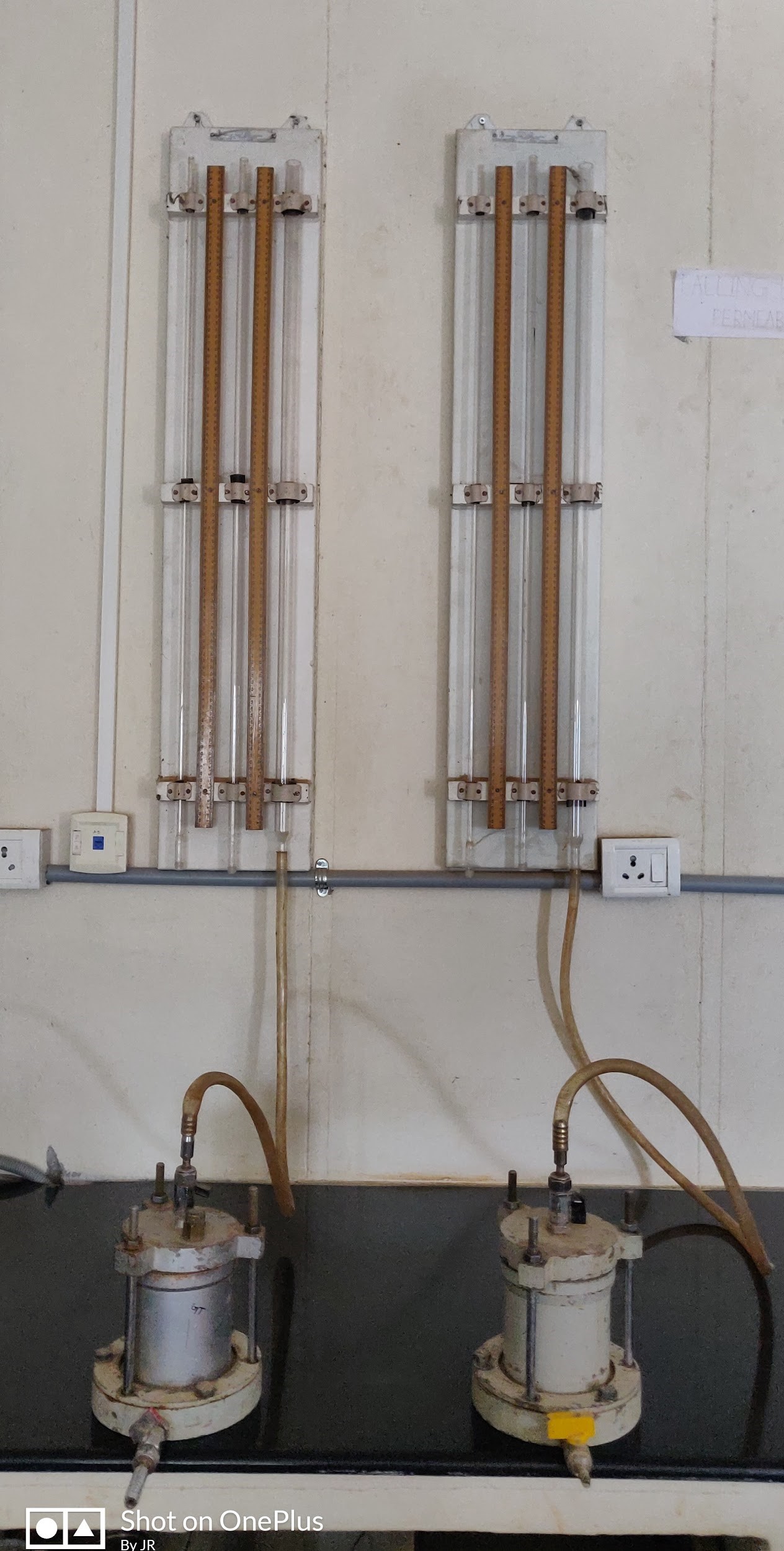
Permeability - Falling Head
The test procedure is based on IS 2720(Part 17) - The falling head method of determining permeability is used for soil with low discharge
Workstations
The Railway Geotechnics Lab. also houses state-of-the-art computational facilities for 3-Dimensional numerical modelling and analysis of various geotechnical engineering problems using commercial finite element packages ABAQUS and PLAXIS facilitated by IIT Hyderabad. The lab also specialises and takes a keen interest in the mathematical modelling and simulation of challenging transportation-geotechnics problems.
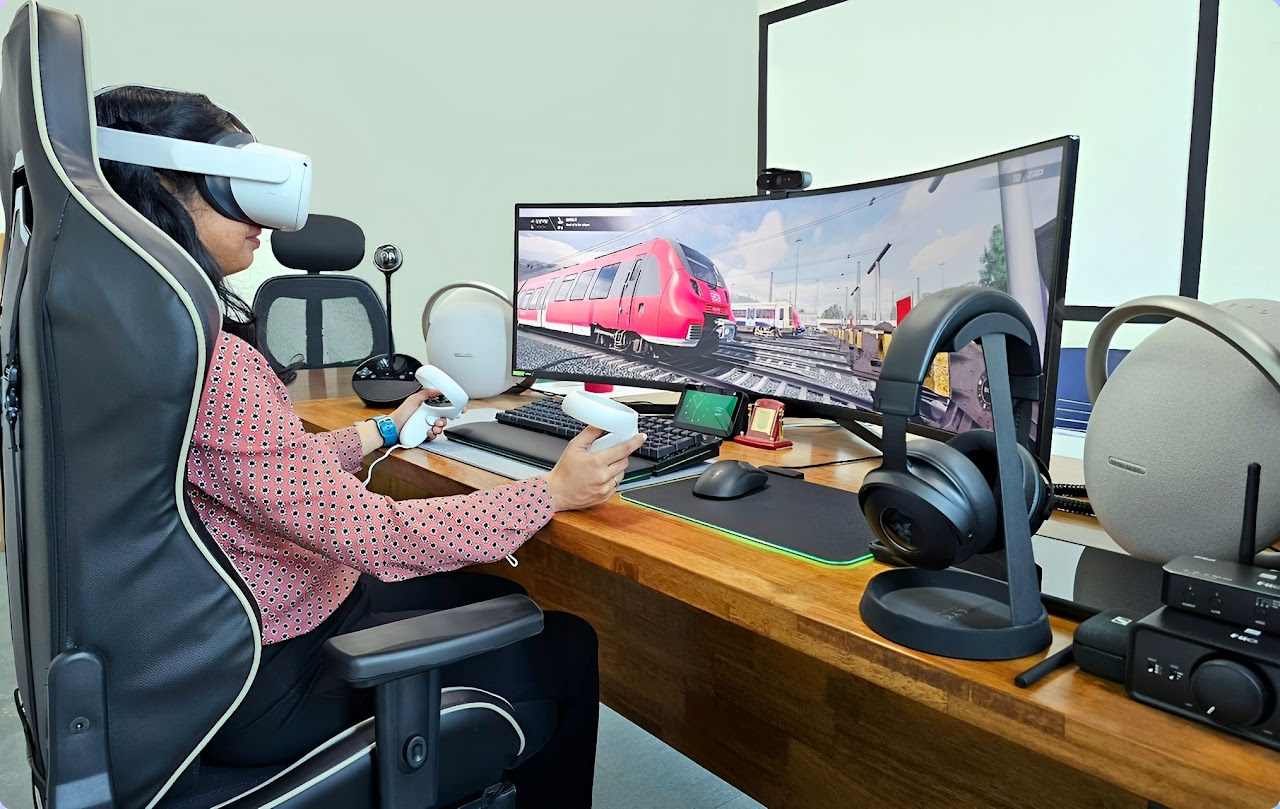
High-Speed Train Simulator
First-of-its-kind 4-Dimensional High-Speed Train Simulator facility built for super-realistic lab-scale simulation of high-speed train operations. The core research vertical of this virtual reality (VR) platform is to investigate passenger railcar vibrations by virtually simulating the biomechanical sensory experience of passengers travelling in a high-speed train using a VR motion chair (with tactile vibration feedback) and an immersive 360° ocular environment rendered through a head-mounted VR headset (looking through the eyes of the train passenger).
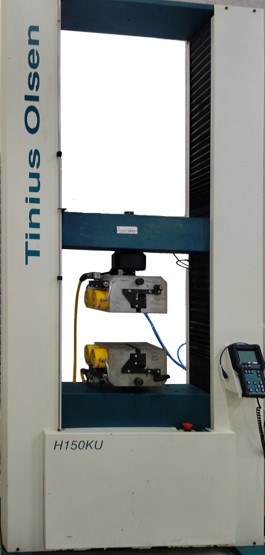
Universal Testing Machine - 150 kN
This Equipment has a Maximum Capacity of 150KN and is used to perform various test on Geosynthetic materials like, Geosynthetic Tensile Test, Static Puncher Test, Grab Test, Trapezoidal Test.
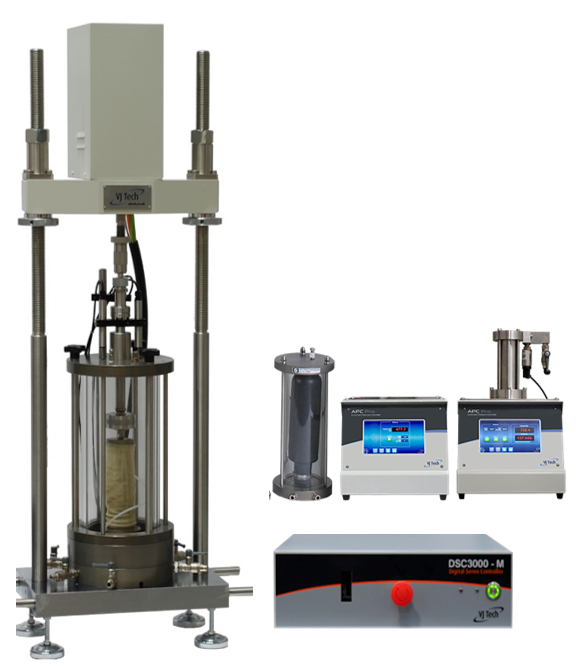
Advanced Dynamic Triaxial and Resilient Modulus Testing System
It is a fully automated procedures to evaluate both the Permanent Deformation and the Resilient Modulus of soil or aggregate samples. During the test, the sample undergoes a combination of dynamic cyclic stress and static-confining stress within a triaxial cell.
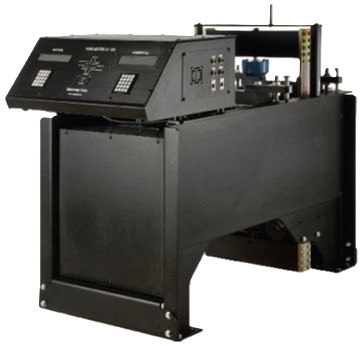
Automatic Large Scale Direct Shear Test
This test is used to determine the interfacial shear between soil and Geosynthetic materials. This system can perform a direct or residual shear test on a 305 x 305 x 205 mm (12 x 12 x 8 in) soil/aggregate specimen.
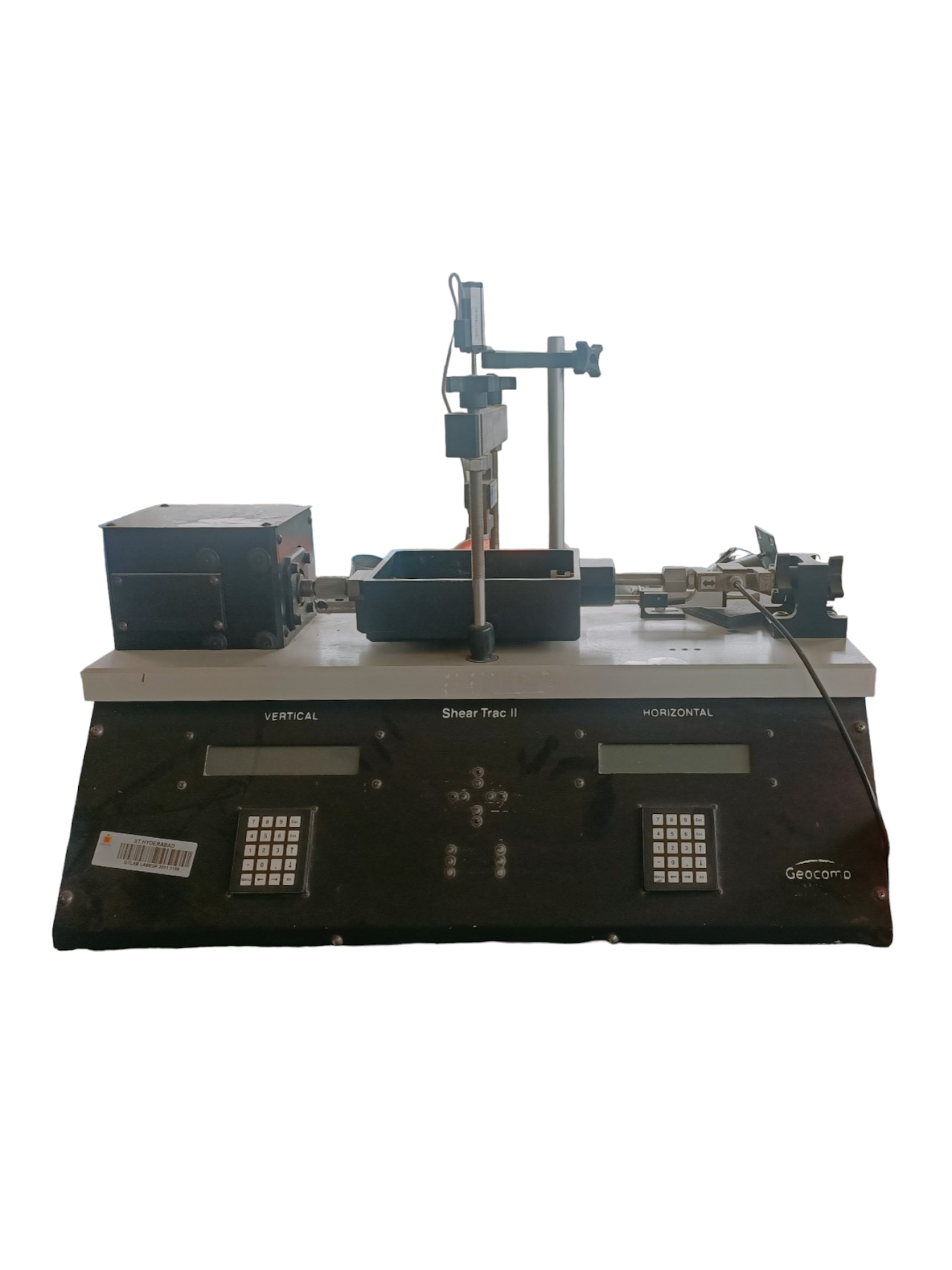
Automatic Direct Shear Test
This test is used to determine the shear strength parameters of the soil Cohesion and Angle of Internal Friction.
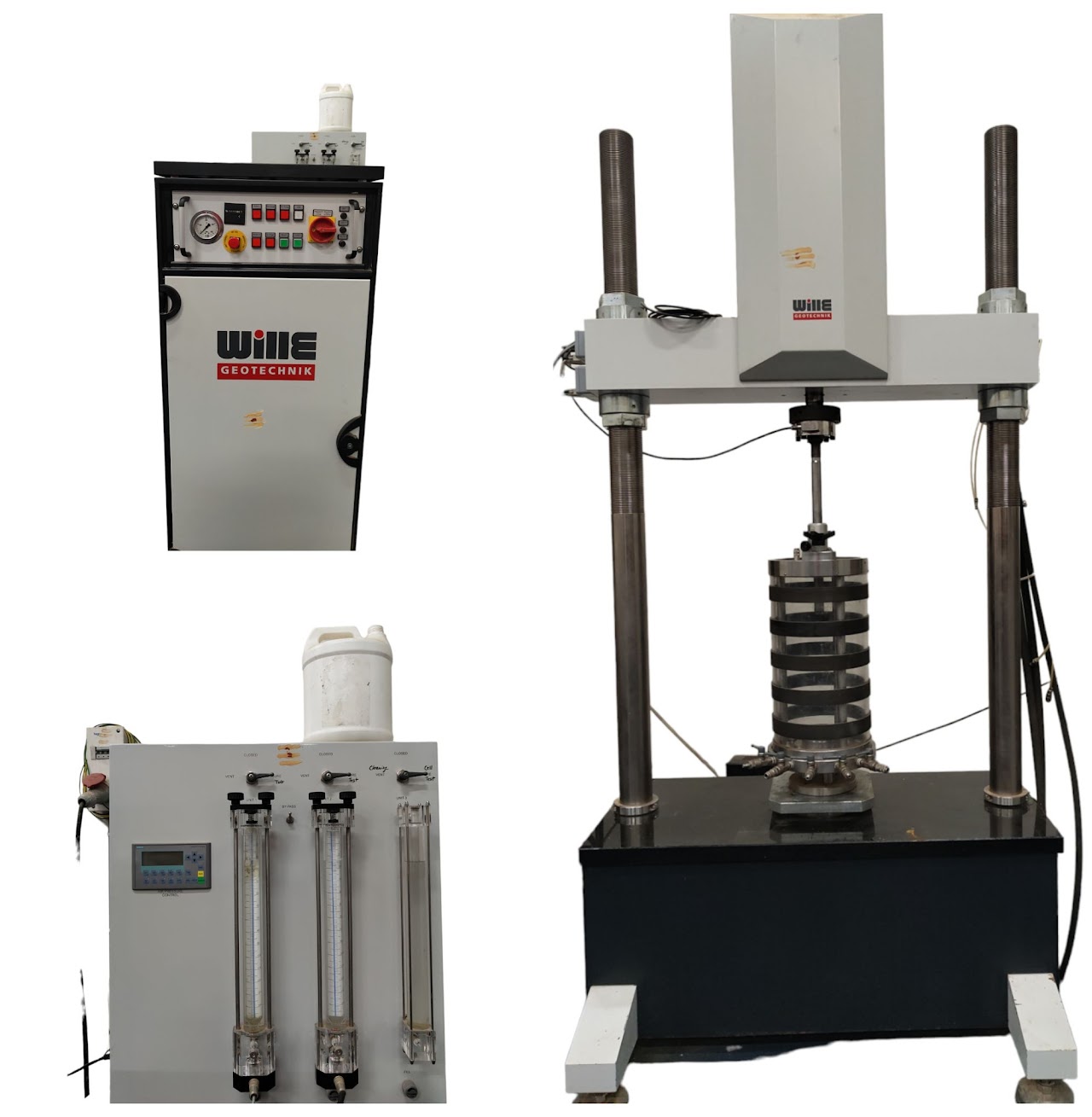
Dynamic Triaxial Testing Equipment
High-quality stress-path triaxial testing system consisting of a rigid 2-column-load frame, a cyclic actuator, a multi-channel, as well as a high-speed control system with a 20-bit resolution for dynamic axis loads. These systems also include actuators to control cell pressure, back pressure and optional pore air pressure.
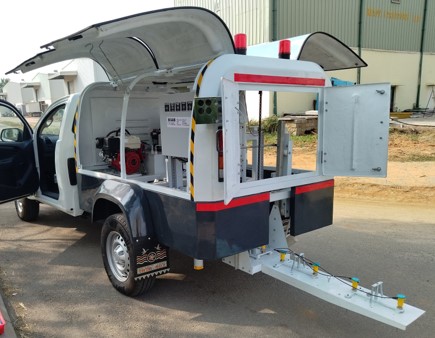
Vehicle Mounted Falling Weight Deflectometer
Vehicle mounted FWD is a non-destructive testing device used to determine the stress/strain parameters of pavements and subgrades. FWD is used for determination of Structural capacity of in-service pavements for analysis of pavement performance, layer moduli for pavement component layers, Remaining life of pavements
.jpg)
Fast Falling Weight Deflectometer
The Fast FWD is designed to drop a load pulse to the pavement surface simulating the impact produced by a rolling vehicle wheel. It is 5 times faster per drop than the original FWD. It is a trailer-mounted device that operates by dropping a weight on to the pavement and measuring the resulting pavement deflections.
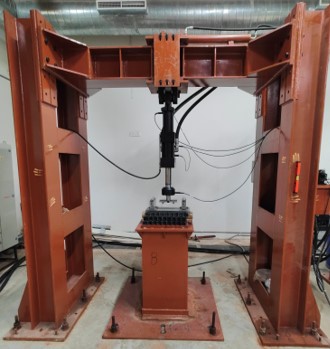
Linear Hydraulic Actuator 100 kN
Customized large scale modelling for simulating various field conditions of soil and foundation (Capacity 100 kN and can be operated at both static and dynamic loading conditions). This frame is used for determining fatigue life of bituminous concrete using Four Point Bending Tests was carried out at frequency range matching actual field condition. Also used to conduct fracture pattern study on rock/gypsum samples.
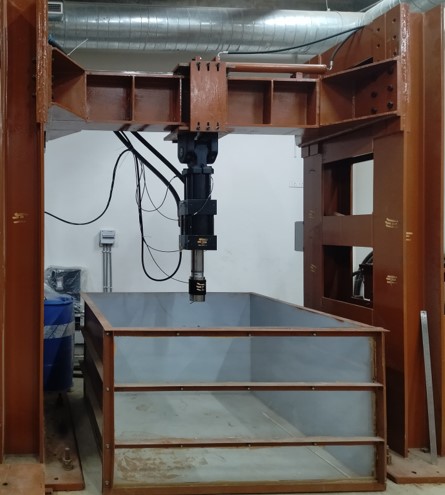
Linear Hydraulic Actuator 250 kN
Customized large scale modelling for simulating various field conditions of soil and foundation (Capacity 250 kN and can be operated at both static and dynamic loading conditions). Large-scale model pavement experiments (LSMPEs) are performed to assess the performance of geosynthetic-reinforced bases of flexible pavements overlying soft subgrades.
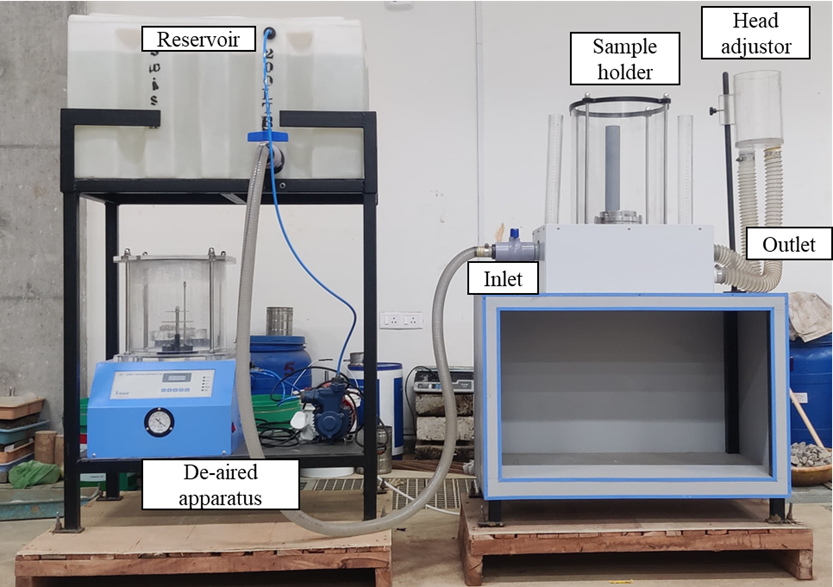
Geotextile permeameter
Geotextile permeameter is used to evaluate the permittivity of the geotextile. Samples of 73 mm and 100 mm diameter can be tested using this equipment. Both constant and varying head permeability tests can be performed.
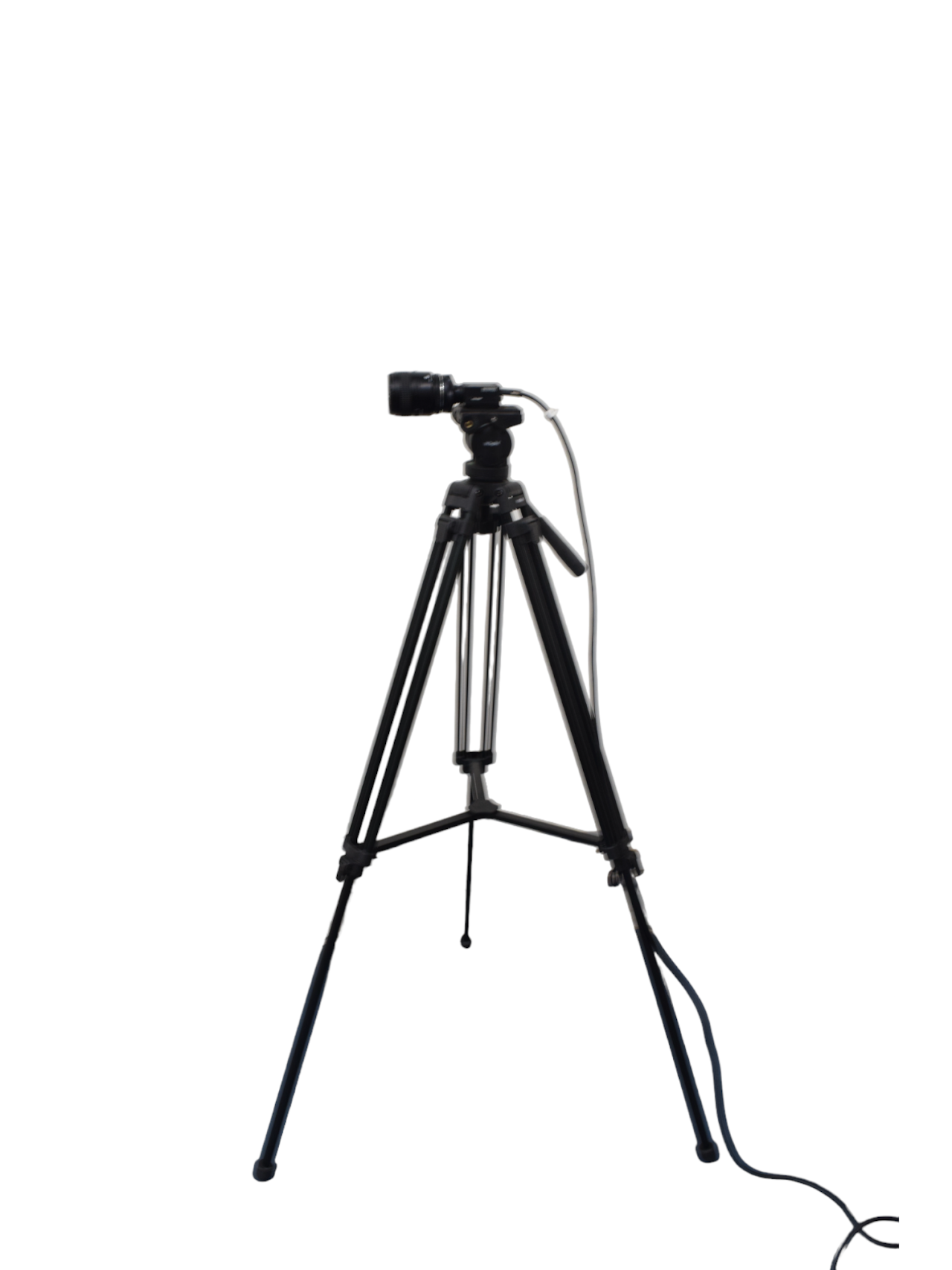
Digital Image Correlation (DIC) - 2D system
Digital Image Correlation (DIC) is a precise, non-contact, and non-interferometric optical method for measuring the displacement/deformation of a structural element/material subjected to external loading.
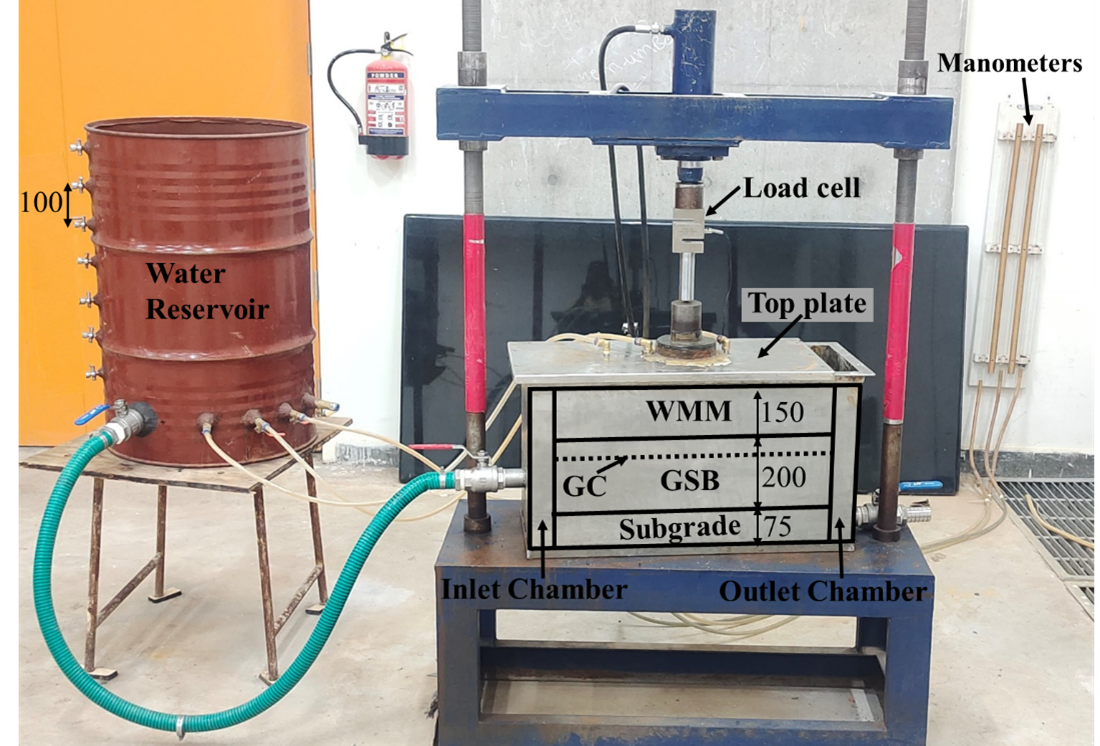
Large scale permeameter - physical model
Large-scale permeameter is utilized to evaluate the hydraulic capabilities of the Granular subbase layers of the flexible pavement. The setup is designed and fabricated to evaluate the performance of the medium at various hydraulic gradients and under the impact of vehicular loads. Both in-plane and cross-plane permeability of the granular layers can be estimated.
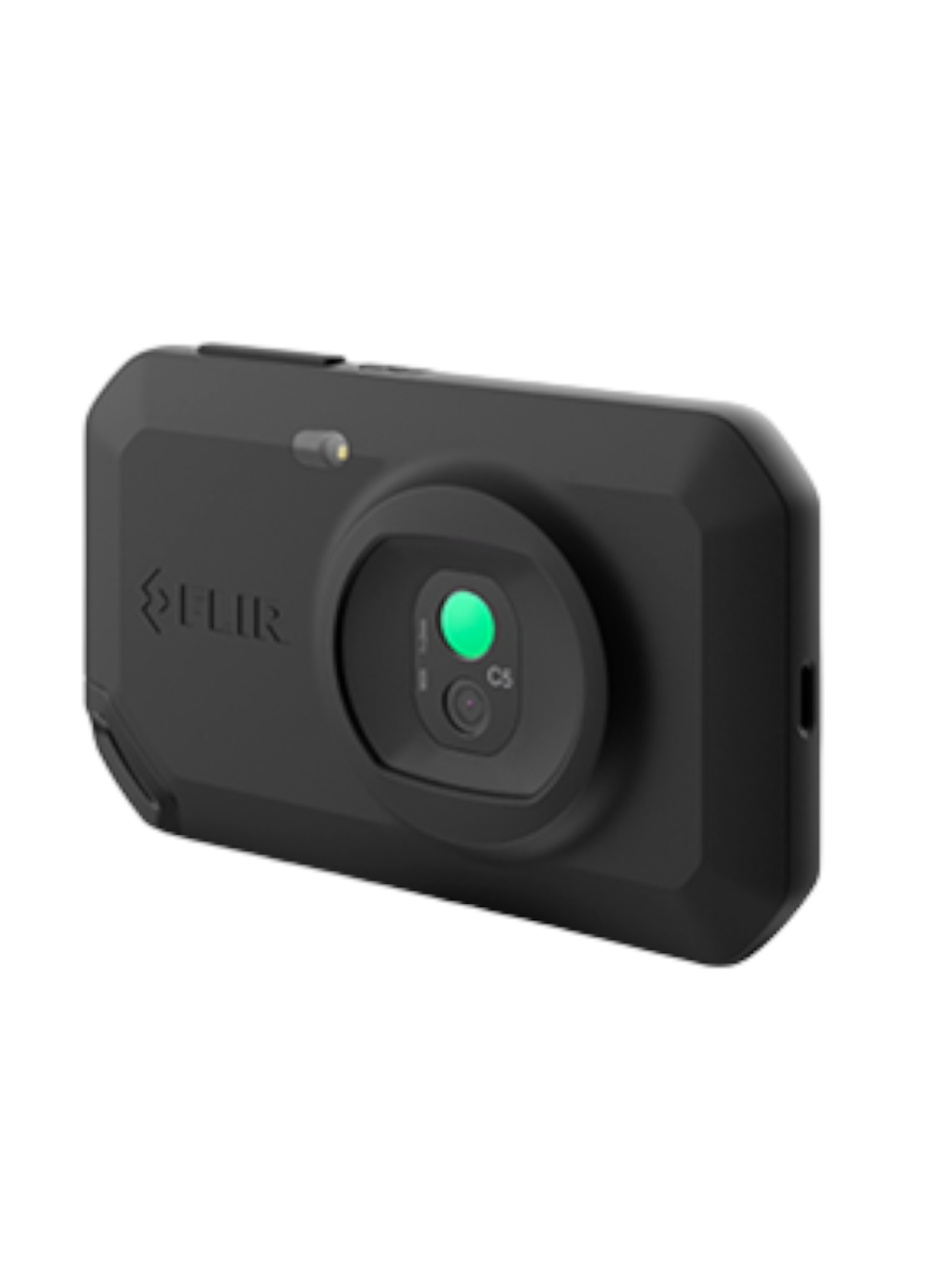
Infrared thermography setup (thermal infrared camera)
The FLIR C5 camera aims to provide professionals with a compact and user-friendly thermal imaging tool for quickly and accurately detecting thermal anomalies in various applications.
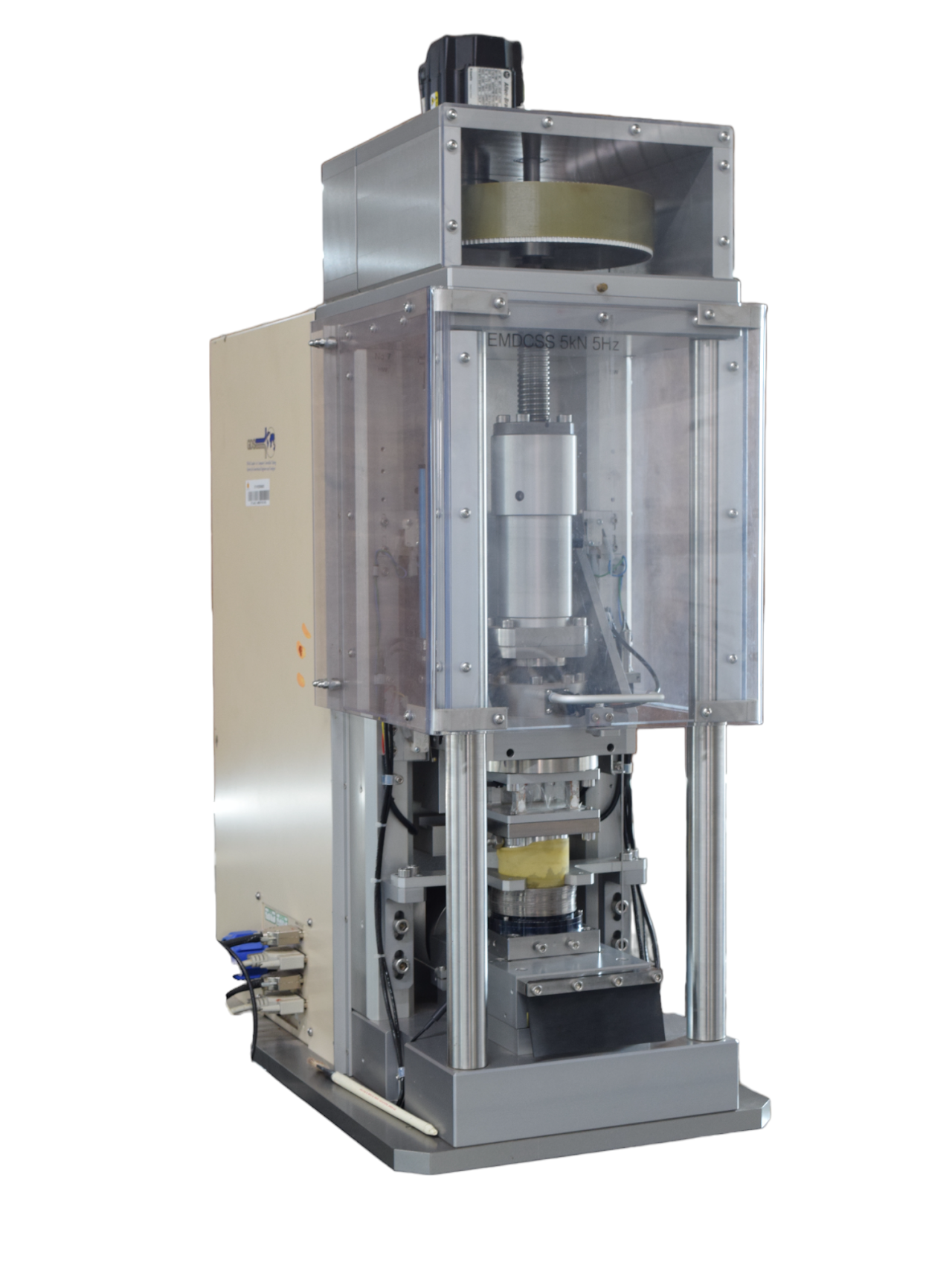
Electro Mechanical Dynamic Cyclic Simple Shear
To examine the dynamic behaviour of soils, an approach termed the Cyclic Simple Shear test is employed. The primary purpose of this test is to investigate the liquefaction properties. Sample sizes: 50, 63.5, 66, 70, 100, and 150 mm. Load Range: 5, 10 kN. Operating Frequency: 5 Hz
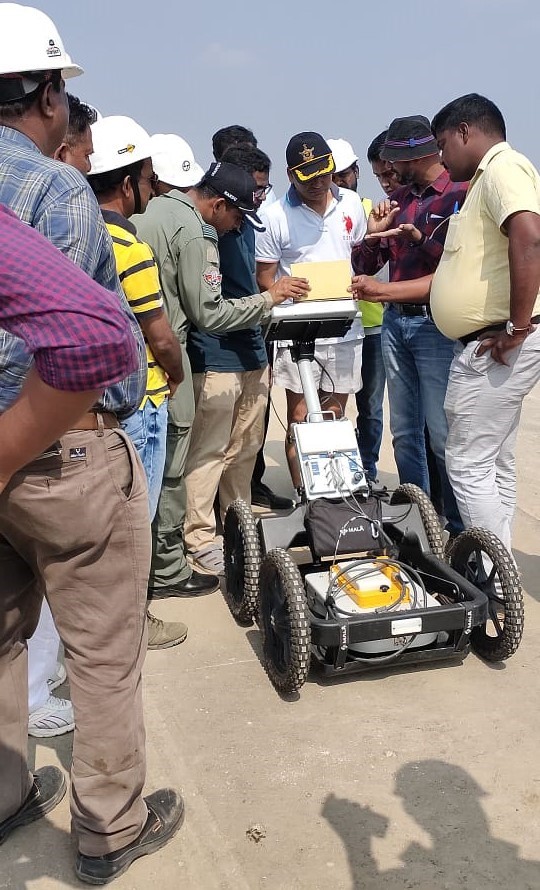
Ground Penetrating Radar (GPR)
Ground penetration radar (GPR) is a non-destructive geophysical method that uses electromagnetic waves to image the subsurface. It provides valuable insights into buried structures, archaeological sites, utility mapping, and geological formations.
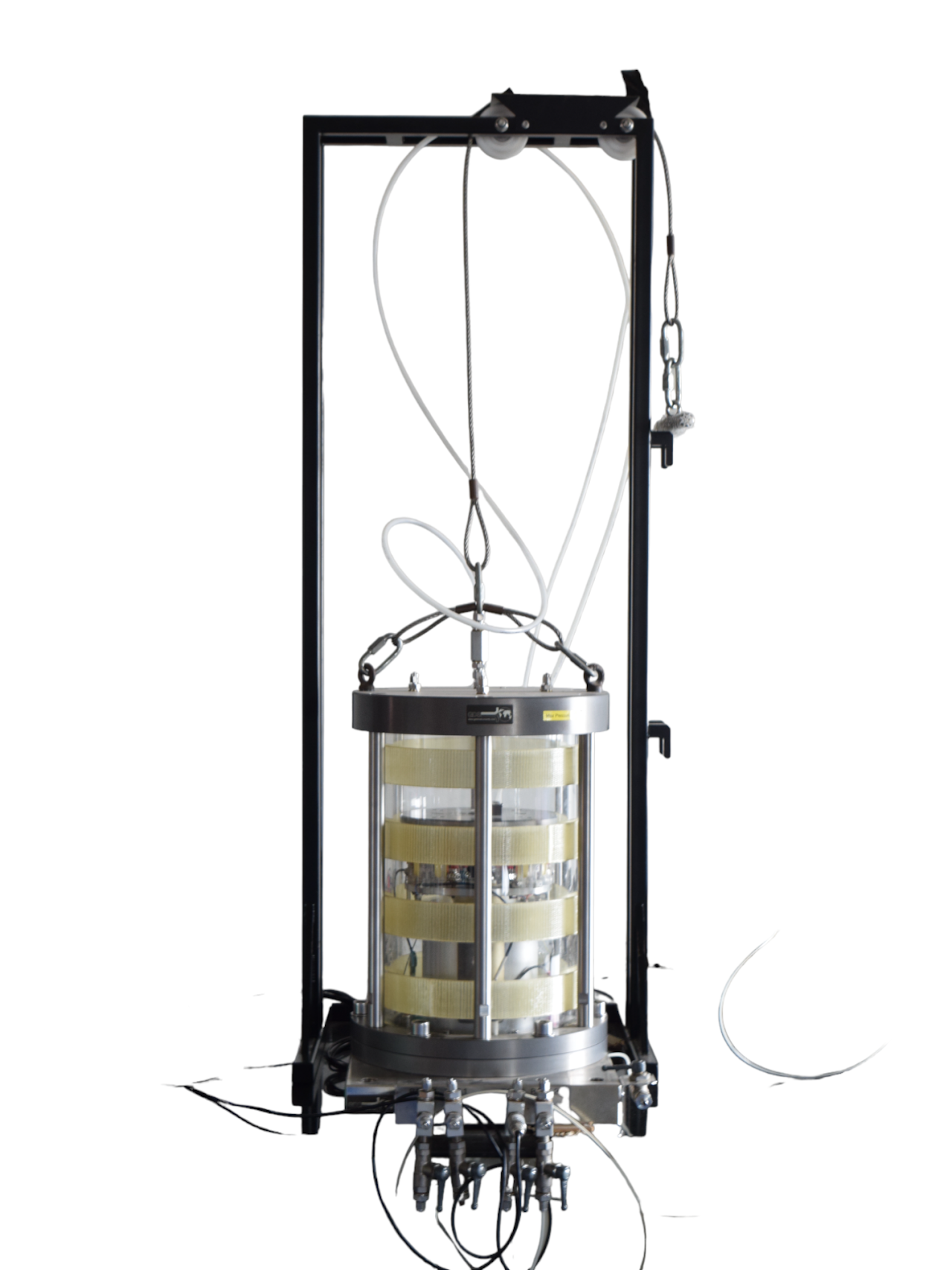
Resonant Column Apparatus
For soil samples in the small to medium strain range (< 1%), the shear modulus (G) and damping ratio (D) are estimated using the resonant column apparatus. Pressure range: 1, 2 MPa. Sample sizes: 50, 70, and 100 mm.
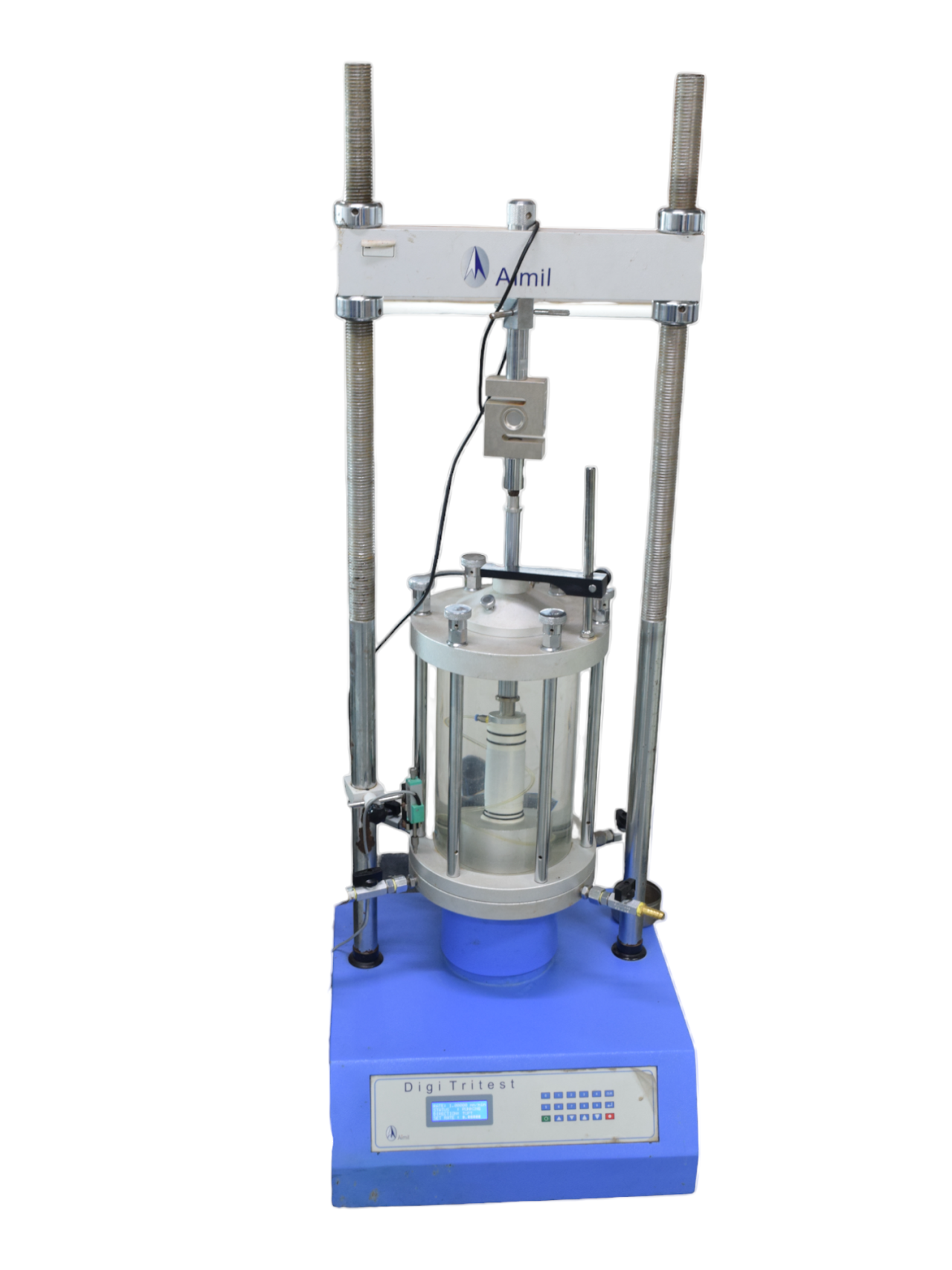
Automatic Triaxial Testing
Tri-axial system is used to perform CU, UU or CD tests. Advanced test modules like K0 consolidation and stress path modules can be performed in K0. To determine the effect of stress-induced anisotropy on the soil's shear behaviour, a stress-path triaxial test is performed.
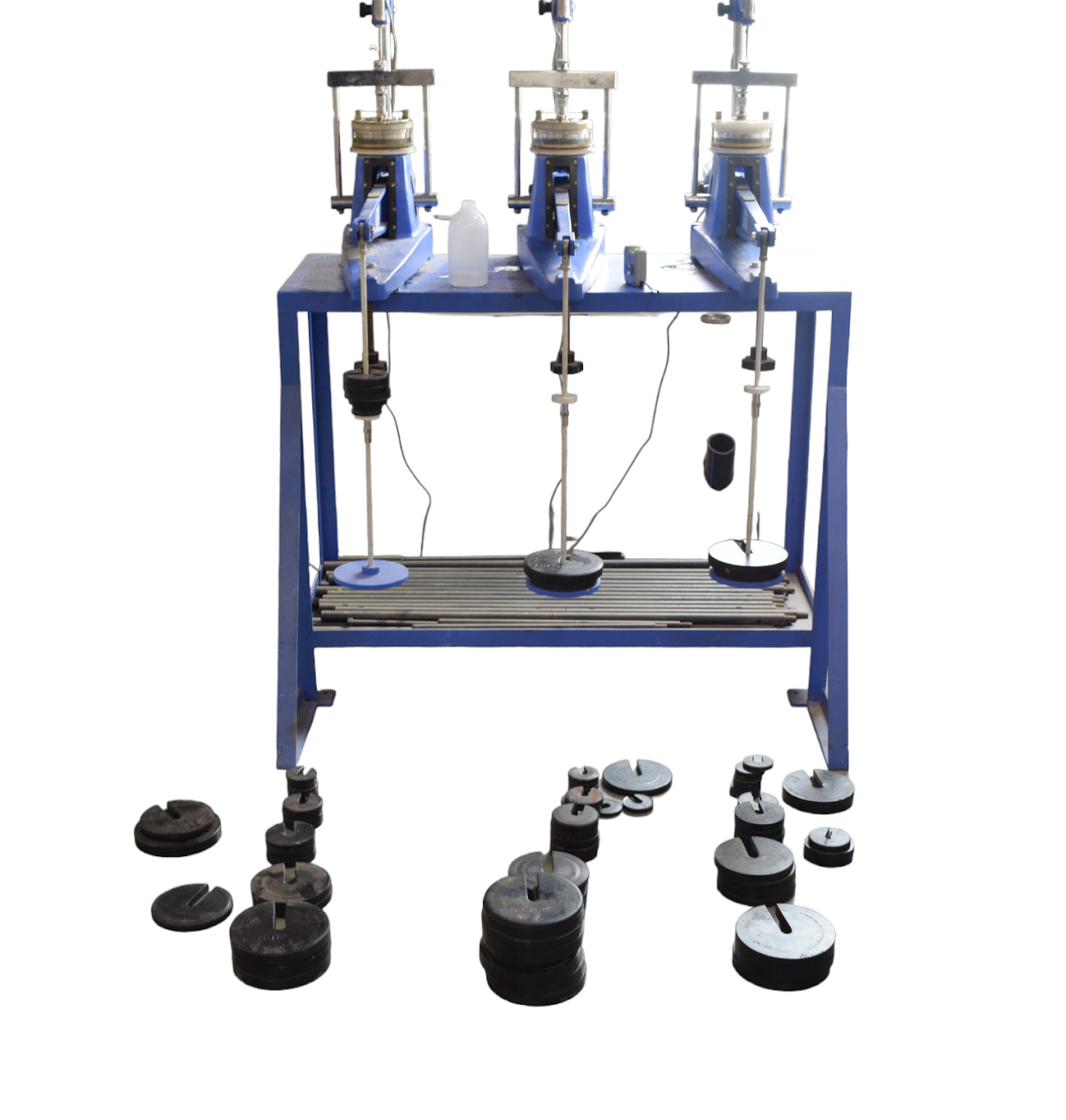
Three Gang consolidometer
The test procedure is based on IS 2720(Part 15) - This test simulates one dimensional primary consolidation with double drainage and is used to predict the time rate and extent of settlement.
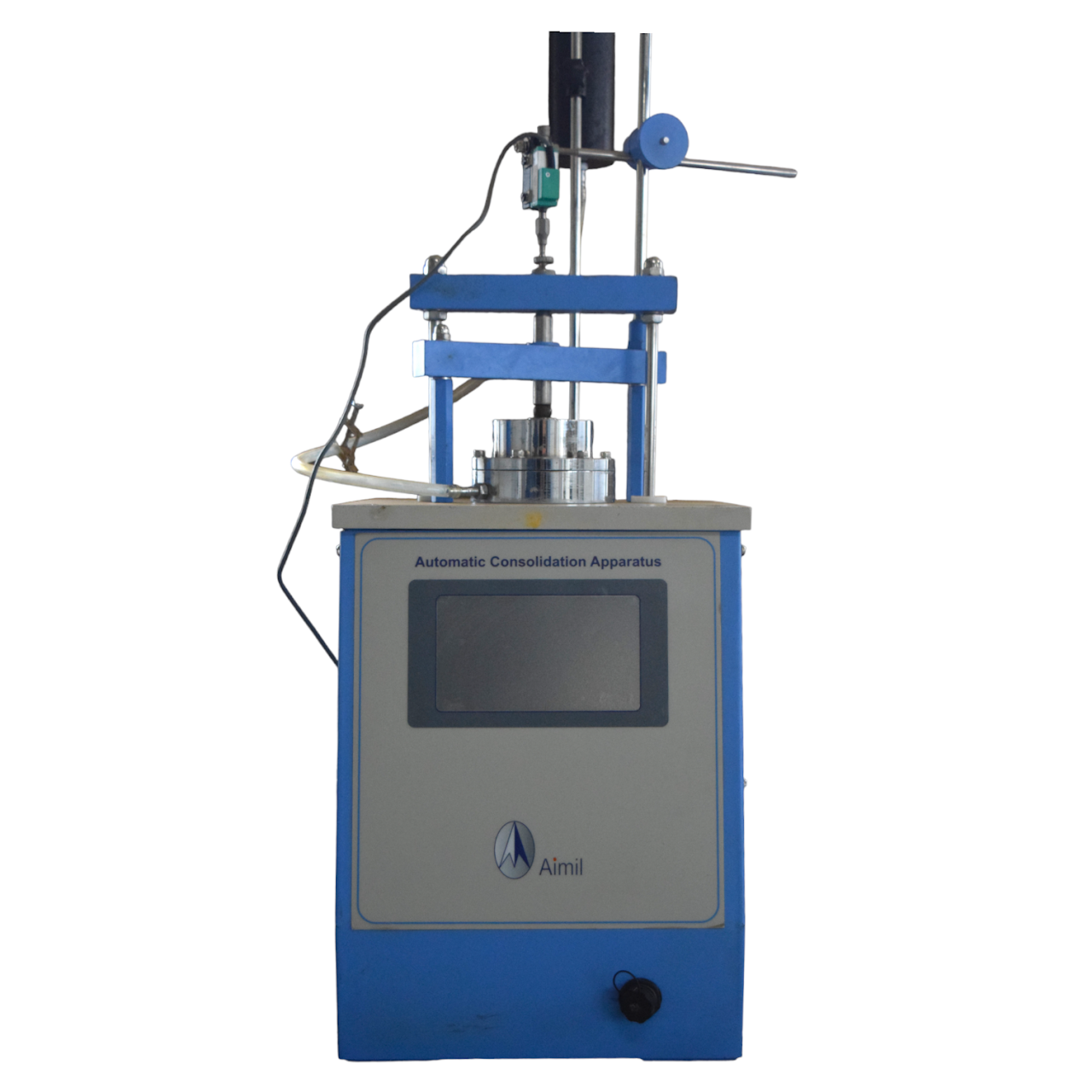
Automatic single consolidometer
The Automatic Consolidation Apparatus eliminates the traditional hanging weight system. It is a compact, table top system with low power consumption.
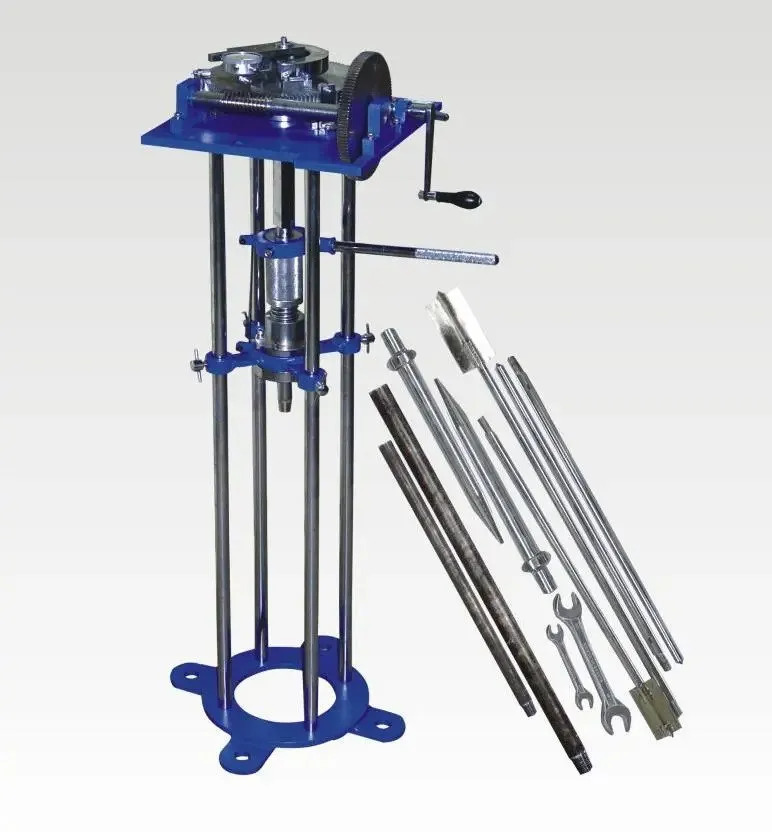
Field Vane Shear Equipment
In-situ methods for the estimation of the undrained shear strength of the soil. Vane is introduced into the borehole to the depth where the measurement of the undrained shear strength is required. Then it is rotated and the torsional force required to cause shearing is calculated.